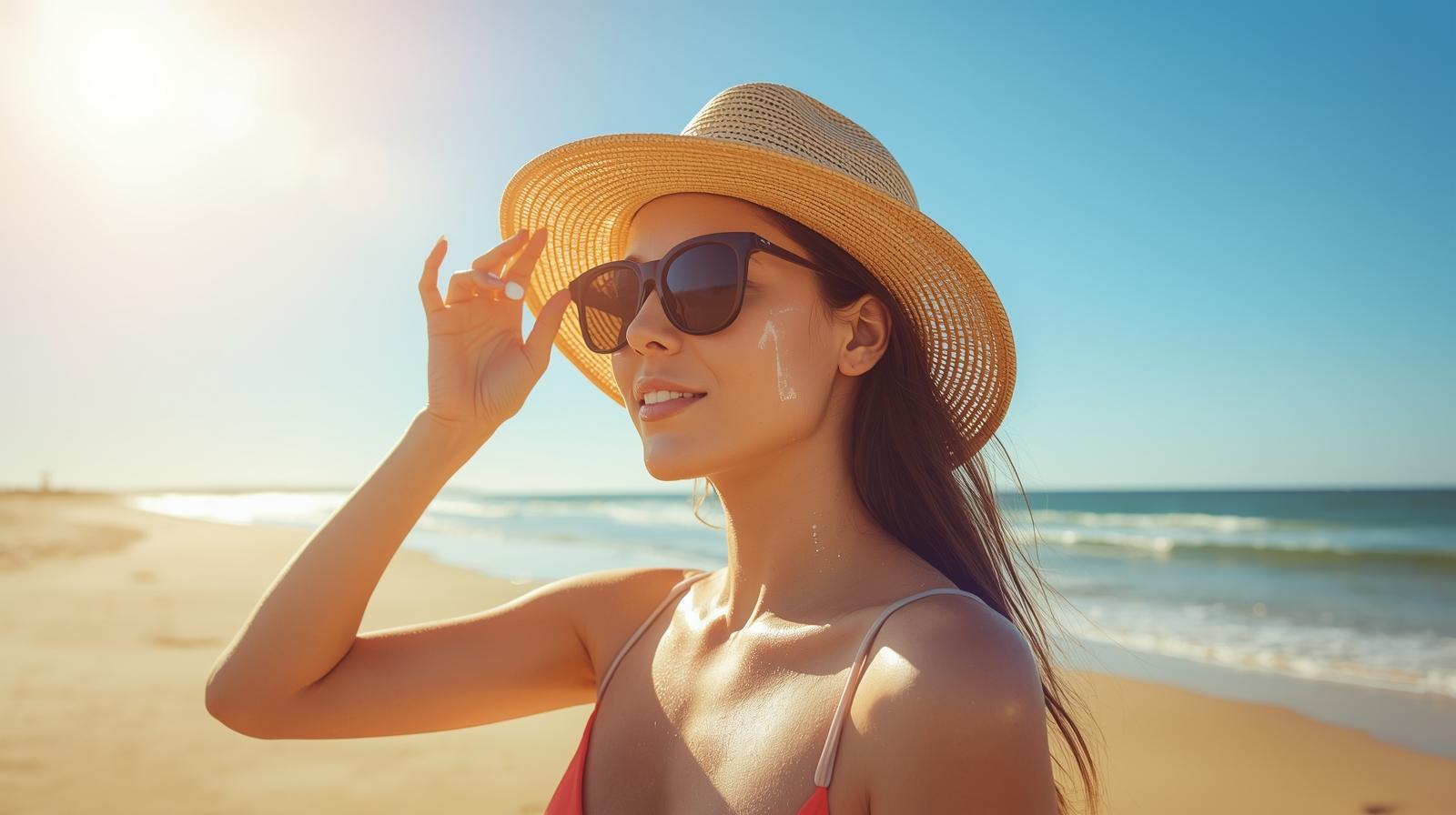
Hey, sun-chasers! 🌞 If you’re anything like me, you’ve probably wondered: “If I wear sunscreen, will I still get that gorgeous summer tan?” It’s a question that pops up every time I reach for my SPF, and honestly, it deserves a deep dive. So let’s talk about the science, the myths, and some insider tips to enjoy the sun safely without losing that golden glow.
What Sunscreen Actually Does
Before we talk about tanning, let’s clear something up. Sunscreen doesn’t block the sun entirely; it protects your skin from harmful ultraviolet (UV) rays. There are two main types of UV rays:
- UVA Rays: These penetrate deep into your skin and are responsible for premature aging, wrinkles, and long-term skin damage.
- UVB Rays: These are the main culprits behind sunburns and, yes, they also play a role in tanning.
Sunscreens come with an SPF rating which mainly measures protection against UVB rays. So when you slather on SPF 30 or 50, you’re essentially slowing down how fast your skin burns and tans, not completely stopping the tanning process.
Think of sunscreen like a speed bump for UV rays. It slows them down, gives your skin time to respond safely, but doesn’t completely block their effect.
The Myth: Sunscreen Stops You From Tanning
Here’s the thing: a lot of people think if they use sunscreen, they can’t tan. That’s… partially true, but also kinda misleading.
- SPF slows tanning: Sunscreen reduces the intensity of UV rays hitting your skin, so tanning happens slower.
- You still tan: If you’re outside long enough, UV rays can penetrate the sunscreen and trigger melanin production, the pigment that gives you that tan.
- Over-application is common: Most people don’t apply enough sunscreen. The average person applies only 25–50% of the recommended amount, which drastically lowers its effectiveness.
So yes, sunscreen may slow your tan, but it doesn’t stop it completely. You’re still going to get color if you spend time in the sun, just more safely.
How Tanning Works Even With Sunscreen
Let’s geek out for a sec. When your skin is exposed to UV radiation, it produces melanin as a defense mechanism. Melanin absorbs the UV rays, protecting your deeper skin layers. The result? That beautiful, sun-kissed color.
Here’s why sunscreen doesn’t totally block tanning:
- Sunscreens filter out a percentage of UV rays, not all of them.
- SPF 30 lets about 3% of UVB rays through, SPF 50 about 2%. That’s tiny, but it’s enough for your skin to start tanning over time.
- Broad-spectrum sunscreens also protect against UVA rays, which contribute to deeper tanning and skin aging.
Basically, sunscreen is like putting on a shield. It slows the battle, but it doesn’t end it.
The Role of Skin Type in Tanning
Not everyone tans the same way. Your skin type plays a huge role in how much color you get, even with sunscreen:
- Fair skin (Type I-II): Burns easily, tans minimally. Sunscreen is non-negotiable, and gradual tanning is the safest approach.
- Medium skin (Type III-IV): Burns less, tans more easily. SPF protects against overexposure while allowing a healthy glow.
- Darker skin (Type V-VI): Rarely burns, tans deeply. Sunscreen prevents long-term damage like hyperpigmentation, even if burning isn’t a concern.
No matter your skin type, sunscreen is your best ally for a safe, controlled tan.
Tips to Tan Safely Without Burning
If your goal is a healthy, gradual tan, sunscreen is your best friend. Here’s how to do it like a pro:
- Choose the right SPF: SPF 30–50 is ideal for most skin types. Lighter skin may need higher SPF, darker skin can go lower.
- Apply generously: Most adults need about one ounce (a shot glass full) for full body coverage. Don’t forget ears, back of legs, and scalp if exposed.
- Reapply often: Every 2 hours, or after swimming or sweating. Sunscreen loses effectiveness over time.
- Time your sun exposure: The sun is strongest between 10 AM and 4 PM. Short, consistent sessions are safer than long marathons.
- Mix in protective clothing: Hats, sunglasses, and UV-protective clothing are stylish and protective.
- Consider gradual tanning: Use a gradual self-tanner alongside sunscreen to boost your glow safely.
- Hydrate your skin: Moisturized skin tans better and peels less. SPF moisturizers kill two birds with one stone.
Fun Facts About Tanning and Sunscreen
- Tanning is basically your skin’s stress response. The more melanin you produce, the more your skin protects itself.
- Tanning beds are worse than natural sun. They emit concentrated UVA and UVB rays, which increase cancer risk without giving “better” tans.
- Your diet can help your glow. Foods rich in beta-carotene (carrots, sweet potatoes) can enhance your natural color subtly.
- Vitamin D balance: Sunscreen slightly reduces vitamin D production, so short sun exposure or supplements can help.
Common Misconceptions
- “Higher SPF = no tan.” Nope. It just slows it down. You’ll still tan over time.
- “Once I burn, sunscreen is useless.” Wrong. Sunscreen prevents further damage even after a minor burn.
- “I only need sunscreen at the beach.” UV rays penetrate clouds and windows, so daily SPF is actually a must.
- “Tanning quickly is better.” Fast tans often come with burns. Slow, steady tanning is safer and more even.
My Personal Sunscreen Hack
I swear by a two-step approach: I use a lightweight SPF moisturizer daily and reapply SPF 50 spray during extended outdoor activities. This way, my skin stays hydrated, protected, and I still get a nice, safe tan over time.
Also, I avoid tanning in the harsh midday sun. Short morning or late afternoon sessions with sunscreen give a slow, golden tan instead of red, painful burns. Honestly, it’s a glow-up without the guilt.
Bonus Tips for Enhancing Your Tan Safely
- Exfoliate before sun exposure: Smooth skin tans evenly and peels less.
- Layer SPF with light tanning oils: Oils with SPF 15–30 can help lock in color safely.
- Rotate sun spots: Move around to prevent patchy or uneven tanning.
- After-sun care: Aloe vera or cooling gels soothe skin and maintain your tan.
- Mind reflection surfaces: Sand, water, and concrete reflect UV rays—extra protection is needed there.
Can You Tan With Sunscreen?
Absolutely, yes. But it’s all about how you do it. Sunscreen slows down tanning, protects your skin from damage, and reduces the risk of premature aging and skin cancer. So if your goal is that perfect sun-kissed look without regrets, sunscreen is non-negotiable.
Think of it like this: sunscreen is your tan insurance. You might pay a little more time for your glow, but the payoff is healthy, radiant skin that lasts.