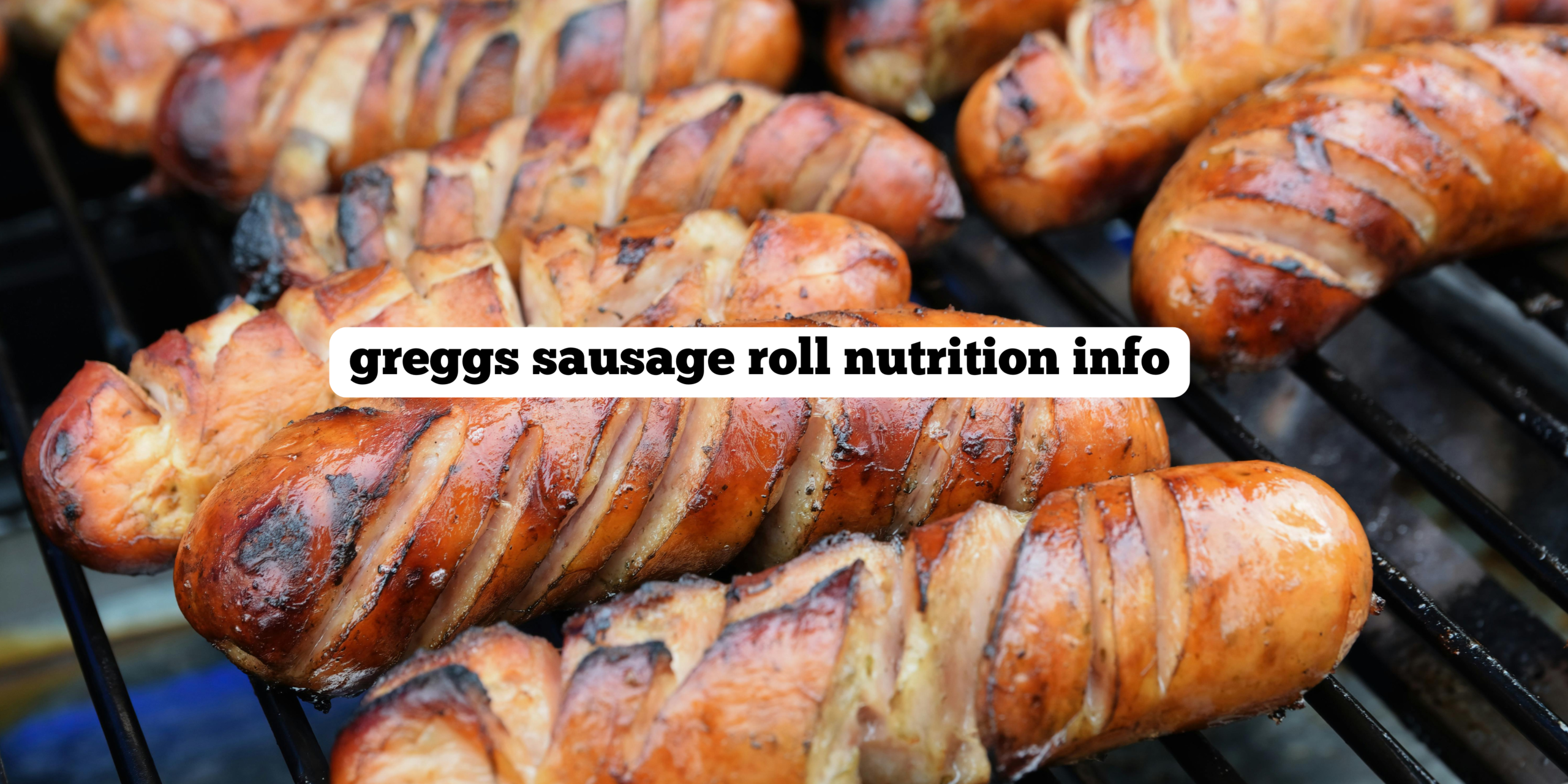
Few food items in the UK inspire as much loyalty and nostalgia as the Greggs sausage roll. For many people, it’s the ultimate comfort snack: warm, flaky, affordable, and instantly satisfying. Whether grabbed on a lunch break, after a long commute, or as a quick bite on the go, the sausage roll has become a cultural staple.
But as more people become mindful of what they eat, questions naturally arise: How many calories are in a Greggs sausage roll? Is it unhealthy? Can it fit into a balanced diet? Understanding the Greggs sausage roll nutrition info helps answer these questions without guilt or confusion.
In this blog, we’ll break down the nutritional value of a Greggs sausage roll, explain where the calories come from, look at fat, protein, carbs, and salt, and explore how this popular snack fits into real-life eating habits. This isn’t about demonising food, it’s about informed choices.
What Is a Greggs Sausage Roll?
At its core, the Greggs sausage roll is simple. It consists of seasoned pork sausage meat wrapped in puff pastry and baked until golden brown. There are no fancy sauces or hidden fillings, just meat, pastry, seasoning, and fat working together to create that familiar taste.
What makes it special is its consistency. Whether you’re buying one in London, Manchester, or a small town bakery, the experience is almost always the same. That reliability is part of why it’s so popular.
However, simplicity doesn’t mean it’s nutritionally light. The combination of processed meat and buttery pastry makes it calorie-dense, which is why understanding its nutrition matters especially if you eat it regularly.
Greggs Sausage Roll Nutrition Info (Per Roll)
A standard Greggs sausage roll weighs around 100–105 grams. While values can vary slightly, the typical nutritional breakdown looks like this:
- Calories: ~340–350 kcal
- Fat: ~23–24 g
- Saturated fat: ~10–11 g
- Carbohydrates: ~23–25 g
- Sugars: ~0–1 g
- Protein: ~9–10 g
- Salt: ~1.4–1.6 g
On paper, that’s a lot for one item. To put it in perspective, a single sausage roll can provide nearly one-fifth of an average adult’s daily calorie needs if you’re aiming for around 2,000 calories per day.
Where Do the Calories Come From?
Understanding calorie sources is just as important as knowing the number itself.
Fat: The Biggest Contributor
Most of the calories in a Greggs sausage roll come from fat. The puff pastry alone contains a significant amount of butter or fat to achieve its flaky texture. Add pork sausage meat, which naturally contains fat, and the total adds up quickly.
Roughly 60% of the total calories come from fat. This is why the sausage roll feels filling and rich—but also why it’s considered an indulgent snack rather than a light one.
Carbohydrates: Mostly from Pastry
Carbohydrates make up the second-largest calorie source. These come almost entirely from the refined flour used in puff pastry. While carbs provide quick energy, refined carbs digest faster and don’t keep you full for very long compared to whole grains or fibre-rich foods.
Protein: Helpful, but Not High
Protein accounts for the smallest share of calories. While 9–10 grams of protein isn’t insignificant, it’s not enough to classify the sausage roll as a high-protein food. For comparison, many people aim for 20–30 grams of protein per meal.
Fat and Saturated Fat: Why It Matters
One of the most talked-about aspects of Greggs sausage roll nutrition is its fat content, especially saturated fat.
Total Fat
With around 23–24 grams of fat per roll, this snack contains more fat than many full meals. Fat isn’t bad on its own—it’s essential for hormone production, nutrient absorption, and overall health. The issue comes down to quantity and frequency.
Saturated Fat
The sausage roll contains roughly 10–11 grams of saturated fat, which is a large portion of the recommended daily limit. Saturated fat is linked to increased cholesterol levels when consumed in excess over time.
This doesn’t mean you need to avoid sausage rolls completely but eating them daily could push your saturated fat intake higher than recommended.
Protein Content: Is It Enough?
Protein is often the first thing people check on nutrition labels, especially those interested in fitness or weight management.
A Greggs sausage roll provides about 9–10 grams of protein. That’s more than many sweet pastries, but still relatively modest.
Protein helps:
- Keep you full
- Support muscle repair
- Stabilise blood sugar
Because the sausage roll is low in fibre and moderate in protein, it may not keep hunger away for very long. This is why some people feel hungry again shortly after eating one.
Carbohydrates and Sugar
The carbohydrate content around 24 grams per roll comes mostly from refined white flour. One positive point is that sugar content is very low, usually close to zero.
So while it’s not a sugary snack, it’s still a refined-carb food that digests quickly. This can lead to energy spikes followed by crashes, especially if eaten on an empty stomach.
Salt Content: A Hidden Concern
Salt is often overlooked, but it’s one of the most important parts of the nutrition profile.
A single Greggs sausage roll contains around 1.5 grams of salt, which is roughly 25% of the recommended daily maximum.
If the rest of your meals include bread, cheese, sauces, or processed foods, your salt intake can climb quickly. For people with high blood pressure or heart health concerns, this is especially important.
Is the Greggs Sausage Roll Healthy?
The honest answer: it depends on context.
A Greggs sausage roll is:
- High in calories
- High in fat and saturated fat
- High in salt
- Low in fibre
That doesn’t make it “bad,” but it does make it nutritionally unbalanced if eaten frequently or as a main meal replacement.
As an occasional treat within a balanced diet, it’s absolutely fine. As a daily habit, it could contribute to excess calorie intake and poor nutrient balance.
How It Fits into a Balanced Diet
You don’t need to label foods as “good” or “bad.” Instead, think in terms of frequency and balance.
Occasional Snack
If you eat a sausage roll once in a while perhaps as part of a busy day it’s unlikely to cause any harm.
Not an Everyday Meal
Because it lacks fibre, vitamins, and a strong protein profile, it shouldn’t replace regular meals made with whole foods.
Balance It Out
If you do eat a sausage roll:
- Pair it with fruit or vegetables later
- Keep the rest of the day lighter in salt and saturated fat
- Drink water instead of sugary drinks
Classic Sausage Roll vs Vegan Sausage Roll
Greggs’ vegan sausage roll has become incredibly popular, and nutritionally it’s worth comparing.
Key Differences
- Calories: Vegan version is usually slightly lower
- Saturated fat: Generally lower than the meat version
- Protein: Similar or slightly lower
- Salt: Still relatively high
The vegan sausage roll isn’t necessarily “healthy,” but it may be a slightly lighter option for those watching saturated fat intake.
Why Is It So Filling Despite Low Fibre?
Many people feel satisfied immediately after eating a sausage roll, even though it’s low in fibre. This is because fat slows digestion, creating a temporary feeling of fullness.
However, once digestion speeds up again, hunger often returns quickly especially compared to meals rich in fibre and protein.
Should You Eat It If You’re Trying to Lose Weight?
Yes but carefully.
Weight loss is about calorie balance over time, not individual foods. A sausage roll can fit into a calorie-controlled diet if:
- You account for the calories
- You don’t eat it frequently
- You balance the rest of your meals
The problem arises when sausage rolls become an everyday habit rather than an occasional choice.
Tips for Enjoying a Greggs Sausage Roll Without Overdoing It
1. Eat It Mindfully
Sit down, enjoy it, and don’t rush. Mindful eating often leads to better satisfaction.
2. Skip the Extras
Avoid pairing it with sugary drinks, crisps, or desserts.
3. Balance Your Day
Choose lighter meals before or after vegetables, lean protein, and whole grains.
4. Try Alternatives
Switch between classic and vegan versions if you eat Greggs often.
Common Myths About Sausage Rolls
“They’re empty calories”
Not entirely. They provide protein and energy, just not many micronutrients.
“You can’t eat them on a diet”
You can moderation matters more than elimination.
“Vegan automatically means healthy”
Not always. Vegan pastry snacks can still be high in fat and salt.
Frequently Asked Questions
How many calories are in a Greggs sausage roll?
Around 340–350 calories per roll.
Is it high in protein?
No, it provides moderate protein but not enough to be considered high-protein.
Is it worse than other fast food?
It’s similar in calorie density to many fast-food snacks of the same size.
Can I eat it every day?
You can, but it’s not ideal for long-term health due to fat and salt content.
Final Thoughts
The Greggs sausage roll is a beloved classic for a reason: it’s tasty, comforting, and convenient. Nutritionally, it’s high in calories, fat, and salt, with modest protein and little fibre. That doesn’t make it off-limits, but it does mean it’s best enjoyed occasionally rather than daily.
Understanding the Greggs sausage roll nutrition info allows you to enjoy it without guilt, while still making informed decisions about the rest of your diet. Food should be enjoyable, not stressful and knowledge is what helps strike that balance.