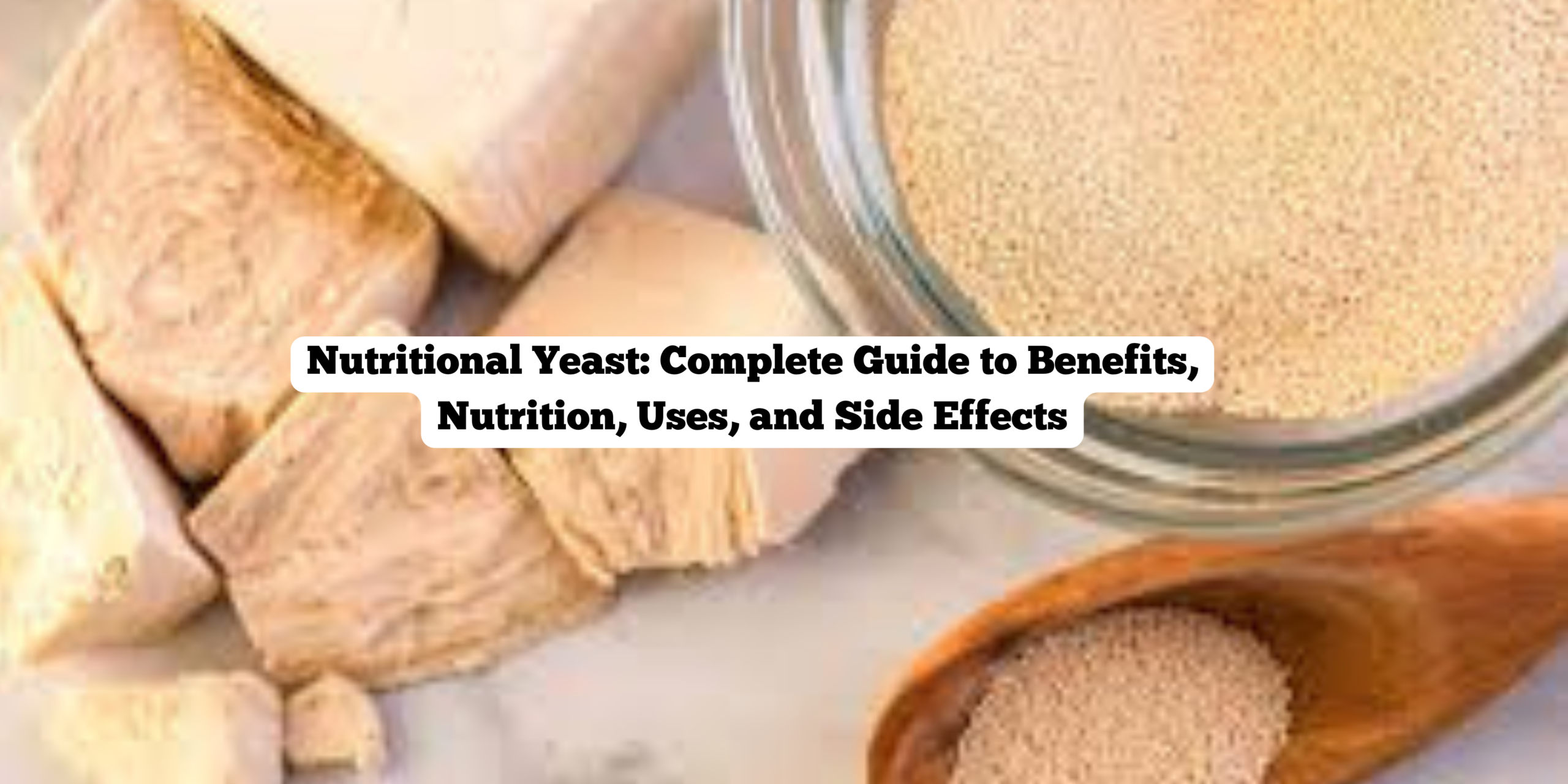
Nutritional yeast has moved from being a niche vegan ingredient to a mainstream nutrition powerhouse. Once found mostly in health food stores, it’s now a staple in kitchens focused on clean eating, plant-based diets, weight loss, and functional nutrition.
Often praised for its cheesy, savory flavor, nutritional yeast does much more than enhance taste. It delivers high-quality plant protein, essential B vitamins, immune-supporting compounds, and metabolism-boosting nutrients all with minimal calories and zero sugar.
Whether you’re vegan, vegetarian, lactose intolerant, or simply looking to eat smarter, nutritional yeast offers an easy, affordable way to upgrade your meals nutritionally.
In this comprehensive guide, you’ll learn:
- What nutritional yeast really is
- Its full nutritional breakdown
- Proven health benefits
- How to use it in everyday meals
- Who should (and shouldn’t) use it
- Common myths and mistakes
What Is Nutritional Yeast?
Nutritional yeast is a deactivated form of yeast made from Saccharomyces cerevisiae. Unlike baking yeast, it does not ferment or cause foods to rise.
How It’s Made:
- Yeast is grown on a sugar-rich medium (often molasses)
- It’s harvested once fully grown
- Heat is applied to deactivate it
- The yeast is washed, dried, and flaked or powdered
The result is a bright yellow seasoning with a savory, umami-rich flavor.
Key Characteristics:
- Inactive (won’t grow in your body)
- Non-fermenting
- Shelf-stable
- Naturally gluten-free (unless cross-contaminated)
Nutritional Value of Nutritional Yeast
One tablespoon (about 5 grams) of nutritional yeast typically contains:
- Calories: ~20
- Protein: 2–3 grams
- Carbohydrates: 2 grams
- Fiber: 1–2 grams
- Fat: 0–1 gram
- Sugar: 0 grams
B Vitamin Content (Fortified Brands)
Most popular brands are fortified and provide:
- Vitamin B1 (Thiamine) – energy production
- Vitamin B2 (Riboflavin) – cellular function
- Vitamin B3 (Niacin) – metabolism support
- Vitamin B6 – brain health
- Vitamin B12 – nerve function & red blood cells
Some brands provide 200–400% of daily B12 needs in one tablespoon.
Important: Not all nutritional yeast is fortified always check the label.
Health Benefits of Nutritional Yeast
1. Complete Plant-Based Protein Source
Nutritional yeast contains all nine essential amino acids, making it a rare complete protein among plant foods.
Benefits include:
- Muscle maintenance
- Faster recovery
- Improved satiety
This makes it ideal for:
- Vegans and vegetarians
- Athletes
- Weight-loss diets
2. Supports Energy Levels and Metabolism
B vitamins are essential for converting food into usable energy. Nutritional yeast is especially rich in:
- Thiamine (B1)
- Riboflavin (B2)
- Niacin (B3)
These nutrients support:
- Faster metabolism
- Reduced fatigue
- Better endurance
That’s why nutritional yeast is often included in metabolism-boosting and fatigue-fighting diets.
3. Strengthens Immune System
Nutritional yeast contains beta-glucans, which are known to:
- Enhance immune response
- Improve gut health
- Support white blood cell activity
Studies show beta-glucans can help the body fight infections more effectively.
4. Supports Brain and Nervous System Health
Vitamin B12 is critical for:
- Memory
- Concentration
- Mood regulation
- Nerve protection
Deficiency can lead to:
- Fatigue
- Depression
- Brain fog
- Tingling sensations
For people avoiding animal products, nutritional yeast is one of the best non-animal B12 sources.
5. Heart Health Benefits
Nutritional yeast contains compounds that may:
- Lower LDL (bad cholesterol)
- Improve blood vessel health
- Reduce inflammation
Its fiber and beta-glucans contribute to better cardiovascular health when used regularly.
6. Weight Loss & Appetite Control
Low in calories but rich in protein and fiber, nutritional yeast helps:
- Increase fullness
- Reduce cravings
- Add flavor without fat or sugar
It’s commonly used as a cheese replacement, cutting hundreds of calories from meals.
Nutritional Yeast vs Brewer’s Yeast vs Baking Yeast
| Feature | Nutritional Yeast | Brewer’s Yeast | Baking Yeast |
| Active | ❌ No | ❌ No | ✅ Yes |
| Taste | Cheesy, savory | Bitter | Neutral |
| Cooking Use | Seasoning | Supplements | Baking |
| B12 Fortified | Often | Rare | No |
| Best For | Nutrition & flavor | Digestive health | Bread |
Always choose nutritional yeast for food and flavor.
How to Use Nutritional Yeast (Practical Ideas)
Everyday Uses:
- Sprinkle on popcorn instead of butter
- Add to pasta, rice, quinoa
- Mix into salads or dressings
- Stir into soups, stews, and sauces
- Use in vegan cheese sauces
- Add to scrambled tofu or eggs
- Blend into smoothies (small amount)
Cooking Tip:
Add nutritional yeast after cooking to preserve vitamins.
Nutritional Yeast for Vegans and Vegetarians
For plant-based eaters, nutritional yeast is almost essential.
It provides:
- Complete protein
- Vitamin B12 (if fortified)
- Iron-supporting nutrients
- Savory flavor missing in vegan diets
It helps replace:
- Cheese
- Creamy sauces
- Umami flavor from meat
Is Nutritional Yeast Safe?
For most people, yes nutritional yeast is very safe.
Possible Side Effects (Uncommon):
- Bloating if eaten in large amounts
- Headaches in people sensitive to tyramine
- Mild digestive discomfort initially
Who Should Be Cautious:
- People with yeast allergies
- Those with inflammatory bowel conditions
- Individuals on MAOI medications
Start small (1 teaspoon/day) and increase gradually.
How Much Nutritional Yeast Should You Eat Daily?
Recommended intake:
- Beginners: 1 teaspoon per day
- Regular use: 1–2 tablespoons per day
- Athletes/vegans: Up to 3 tablespoons (if tolerated)
More is not always better than moderation matters.
How to Choose the Best Nutritional Yeast
When buying, look for:
- Fortified with vitamin B12
- Non-GMO
- No added sugar or artificial flavors
- Flake form (better texture for food)
Popular types:
- Fortified nutritional yeast
- Unfortified (natural) nutritional yeast
Storage and Shelf Life
- Store in a cool, dry place
- Keep container tightly sealed
- Shelf life: 1–2 years
Refrigeration is optional but helps preserve freshness.
Common Myths About Nutritional Yeast
“It causes yeast infections”
False nutritional yeast is inactive
“It’s only for vegans”
Anyone can benefit
“It’s unhealthy because it’s processed”
It’s minimally processed and nutrient-rich
Who Should Add Nutritional Yeast to Their Diet?
✔ Vegans and vegetarians
✔ People with B-vitamin deficiency
✔ Fitness and weight-loss focused individuals
✔ Dairy-free eaters
✔ Busy professionals needing energy support
Conclusion: Is Nutritional Yeast Worth It?
Absolutely.
Nutritional yeast is one of the most underrated superfoods available today. It’s affordable, versatile, nutrient-dense, and easy to add to almost any meal.
With benefits ranging from energy support and immunity to weight loss and brain health, it’s a simple upgrade with long-term payoff.
If you’re looking for a natural way to eat better without sacrificing flavor, nutritional yeast deserves a permanent spot in your kitchen.