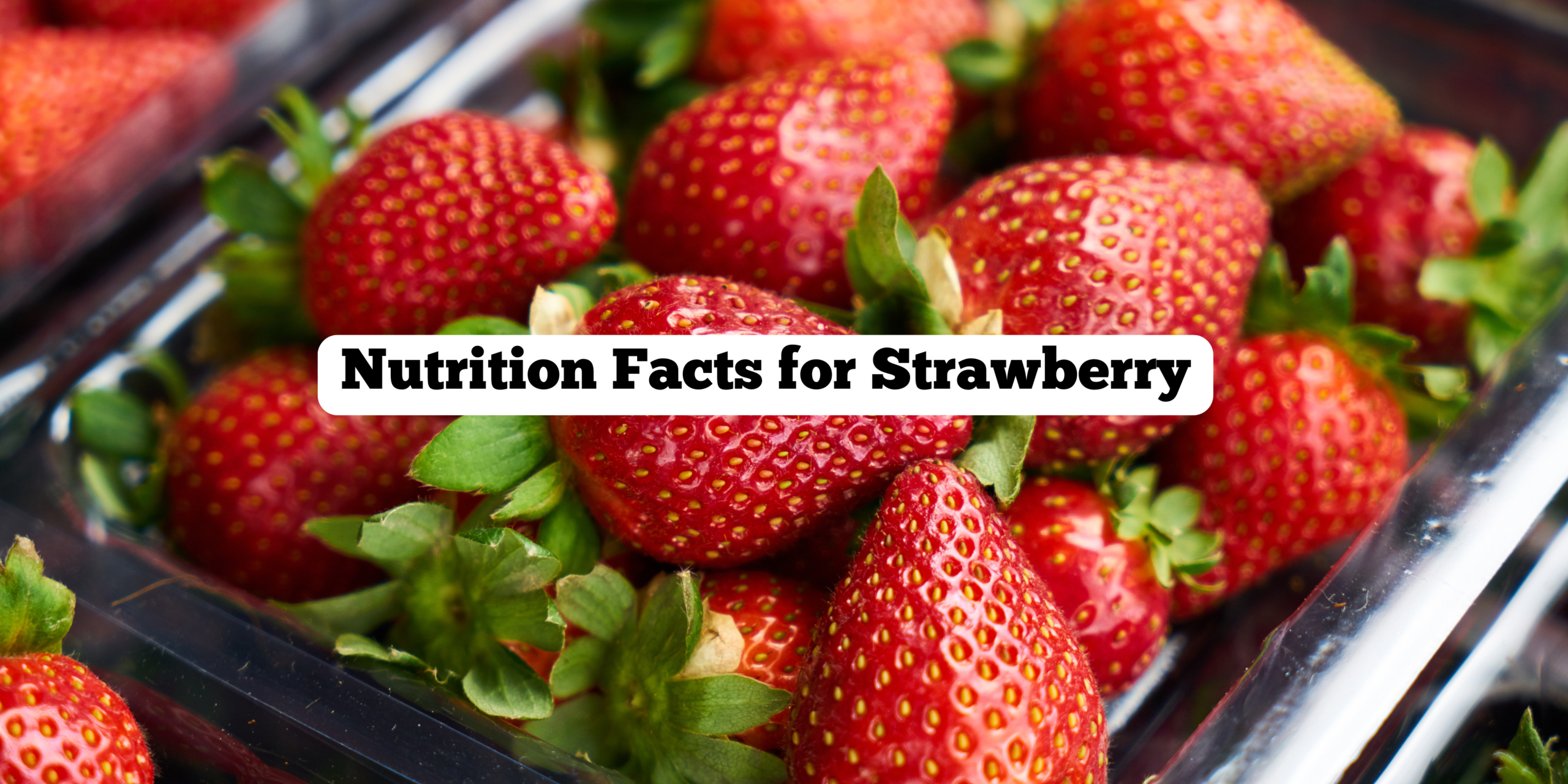
Strawberries are one of the most loved fruits in the world and for good reason. They’re sweet, refreshing, low in calories, and packed with essential nutrients. Whether you enjoy them fresh, blended into smoothies, or added to desserts, strawberries offer impressive nutritional value with minimal downside.
In this detailed guide, we’ll explore the nutrition facts for strawberries, including calories, vitamins, minerals, health benefits, and how to include them in a balanced diet. If you’re focused on weight management, heart health, or simply eating cleaner, strawberries deserve a permanent spot on your plate.
Strawberry Nutrition Facts (Per 100g)
Here’s a clear breakdown of the nutritional profile of fresh strawberries per 100 grams:
Macronutrients
- Calories: 32 kcal
- Carbohydrates: 7.7 g
- Sugars: 4.9 g
- Dietary Fiber: 2.0 g
- Protein: 0.7 g
- Fat: 0.3 g
- Water: ~91%
This makes strawberries a low-calorie, high-volume fruit, ideal for people watching their calorie intake.
Vitamins in Strawberries
Vitamin C (Powerhouse Nutrient)
Strawberries are an excellent source of vitamin C.
- Vitamin C: ~58–90 mg per 100 g
- Covers more than 60% of daily recommended intake
Vitamin C supports:
- Immune system health
- Skin collagen production
- Faster wound healing
- Better iron absorption
Surprisingly, strawberries often contain more vitamin C per serving than oranges.
Folate (Vitamin B9)
- Supports cell growth and DNA formation
- Important for pregnancy and brain health
Vitamin A (Small Amounts)
- Supports vision and immune function
Vitamin K
- Helps with blood clotting and bone health
Mineral Content of Strawberries
Strawberries provide several essential minerals, even in small servings:
- Potassium: ~150–230 mg
- Manganese: Supports metabolism and bone formation
- Magnesium: Aids muscle and nerve function
- Calcium & Iron: Present in trace amounts
The potassium content helps regulate blood pressure and supports heart health.
Antioxidants and Plant Compounds
One of the biggest nutritional advantages of strawberries is their antioxidant profile.
Key Antioxidants in Strawberries:
- Anthocyanins (give strawberries their red color)
- Ellagic acid
- Quercetin
These compounds help:
- Fight oxidative stress
- Reduce inflammation
- Support heart and brain health
- Protect cells from damage
This is why strawberries are often classified as a functional or superfood.
Health Benefits of Strawberries
1. Supports Heart Health
Strawberries help:
- Reduce LDL (bad) cholesterol
- Improve blood vessel function
- Lower inflammation
Regular strawberry intake is linked to a reduced risk of heart disease, especially when consumed as part of a balanced diet.
2. Helps with Weight Management
Strawberries are ideal for weight loss because they are:
- Low in calories
- High in water
- Rich in fiber
Fiber promotes fullness and helps control appetite, making strawberries a smart snack choice.
3. Blood Sugar Friendly Fruit
Despite their sweetness, strawberries have:
- A low glycemic index
- Moderate natural sugar
- Fiber that slows sugar absorption
This makes them suitable for people with diabetes when eaten in reasonable portions.
4. Boosts Brain Function
The antioxidants in strawberries may:
- Improve memory
- Slow age-related cognitive decline
- Reduce brain inflammation
Studies suggest berries support long-term brain health.
5. Strengthens Immunity
Thanks to high vitamin C and antioxidants, strawberries help:
- Strengthen immune defenses
- Reduce illness severity
- Speed up recovery
Strawberry Nutrition Per Common Serving Sizes
1 Cup of Strawberries (152 g)
- Calories: ~49 kcal
- Carbs: ~11.7 g
- Fiber: ~3 g
- Vitamin C: ~89 mg
- Protein: ~1 g
5 Medium Strawberries
- Calories: ~20
- Carbs: ~5 g
- Sugar: ~3 g
Perfect for snacks, salads, or dessert toppings.
Are Strawberries Good for Kids and Adults?
Yes, absolutely
- Safe for children
- Easy to digest
- Naturally sweet without added sugar
- Supports growth, immunity, and hydration
Just ensure strawberries are washed thoroughly, especially for kids.
Fresh vs Frozen Strawberries: Nutrition Comparison
| Type | Nutritional Value |
| Fresh Strawberries | Highest vitamin C |
| Frozen Strawberries | Similar nutrients, slightly lower vitamin C |
| Canned Strawberries | Often high in added sugar |
Tip: Choose fresh or frozen without added sugar for maximum benefits.
How to Add Strawberries to Your Diet
Here are easy and healthy ways to enjoy strawberries:
- Add to oatmeal or cereal
- Blend into smoothies
- Mix with Greek yogurt
- Toss into salads
- Eat fresh as a snack
- Use in sugar-free desserts
Strawberries are versatile and pair well with both sweet and savory dishes.
Possible Downsides of Strawberries
While strawberries are healthy, consider the following:
- May cause allergies in some people
- Can contain pesticide residue (choose organic if possible)
- Overconsumption may cause bloating due to fiber
Moderation is key, as with all foods.
FAQs: Nutrition Facts for Strawberry
Are strawberries good for weight loss?
Yes. They are low-calorie, filling, and rich in fiber.
How many strawberries should I eat per day?
1–2 cups per day is a healthy and safe amount.
Are strawberries keto-friendly?
In small portions, yes. They are one of the lowest-carb fruits.
Do strawberries have a lot of sugar?
No. They contain natural sugar and have a low glycemic impact.
Final Thoughts: Why Strawberries Deserve a Spot in Your Diet
Strawberries are more than just a delicious fruit; they’re a nutrient-dense, antioxidant-rich powerhouse. With low calories, high vitamin C, and impressive health benefits, they fit perfectly into almost any diet.
Whether your goal is better health, weight control, or simply enjoying clean, natural foods, strawberries are a smart, tasty choice.