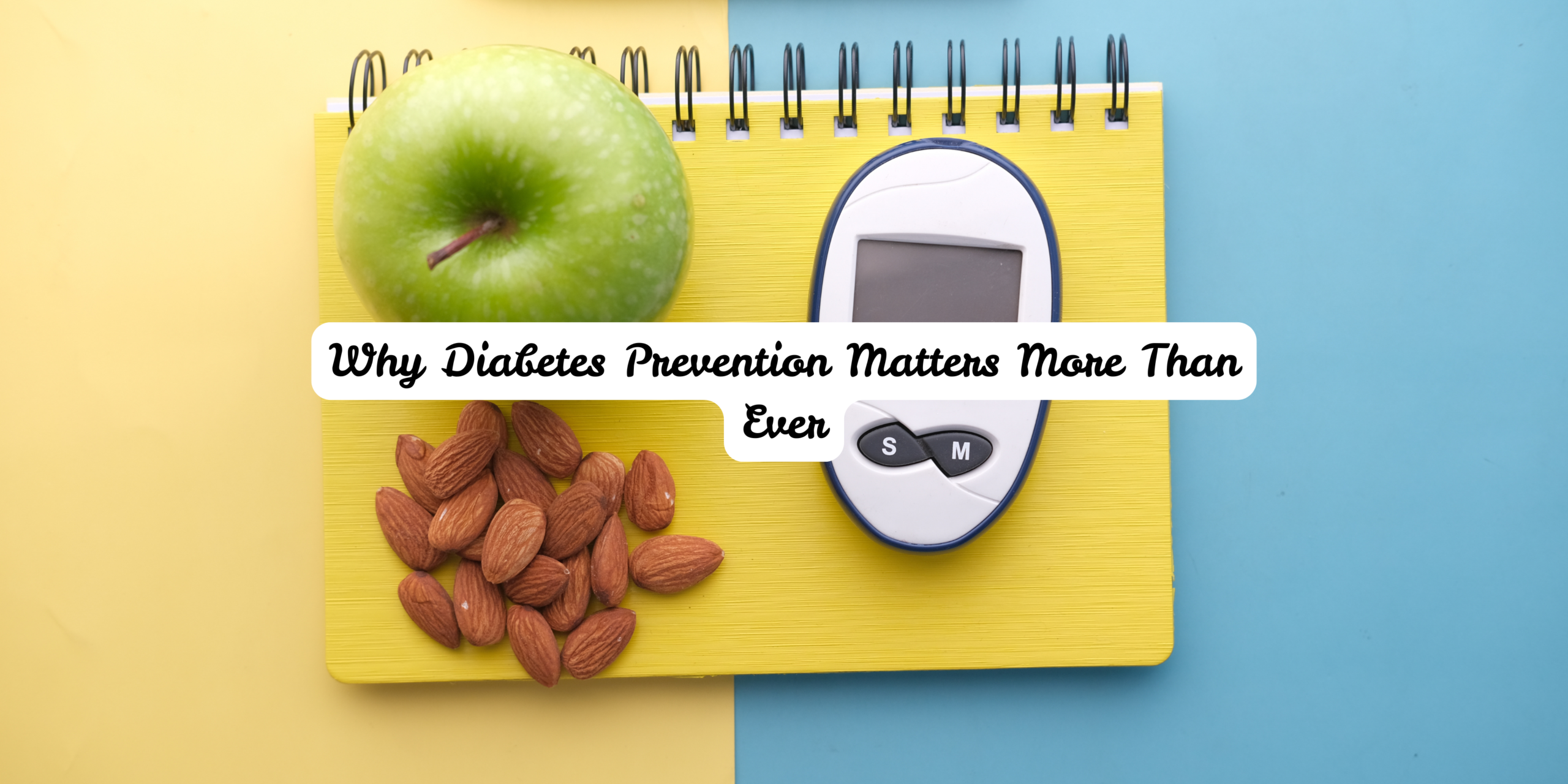
Preventing Diabetes: Top Lifestyle Changes You Can Start Today
Type 2 diabetes has become one of the fastest-growing health challenges worldwide. Millions of people are diagnosed each year, and many more are living with prediabetes without even knowing it. The good news? In most cases, type 2 diabetes is largely preventable.
Scientific research consistently shows that diabetes prevention is possible through simple but powerful lifestyle changes. You don’t need extreme diets, expensive treatments, or drastic routines. What matters most is building healthy habits for diabetes that support blood sugar balance, insulin sensitivity, and long-term metabolic health.
In this article, you’ll learn:
- What causes type 2 diabetes
- Why prediabetes prevention is critical
- The most effective lifestyle changes for diabetes prevention
- How to achieve blood sugar control naturally
- Practical habits you can start today
If you’re concerned about diabetes or want to protect your long-term health this guide is for you.
Understanding Type 2 Diabetes and Prediabetes
What Is Type 2 Diabetes?
Type 2 diabetes occurs when the body becomes resistant to insulin or doesn’t produce enough of it. As a result, blood sugar levels rise, leading to long-term damage to the heart, kidneys, nerves, eyes, and blood vessels.
What Is Prediabetes?
Prediabetes is a condition where blood sugar levels are higher than normal but not yet high enough to be classified as diabetes. Without intervention, many people with prediabetes develop type 2 diabetes within a few years.
This is why prediabetes prevention is one of the most effective strategies for stopping diabetes before it starts.
Why Lifestyle Is the Key to Diabetes Prevention
While genetics can influence diabetes risk, lifestyle factors play a much larger role.
Major contributors include:
- Poor diet
- Physical inactivity
- Excess body weight
- Chronic stress
- Poor sleep quality
The encouraging reality is that lifestyle changes for diabetes can significantly reduce risk even for people with a family history of the disease.
1. Improve Your Diet to Support Blood Sugar Balance
Nutrition is the foundation of diabetes prevention. What you eat directly affects blood glucose levels and insulin sensitivity.
Focus on Whole, Unprocessed Foods
A diet high in refined carbohydrates, sugar, and ultra-processed foods increases blood sugar spikes and insulin resistance.
Instead, prioritize:
- Vegetables (especially non-starchy)
- Whole fruits (in moderation)
- Whole grains
- Lean protein sources
- Healthy fats
This approach supports blood sugar control naturally without extreme restriction.
Balance Your Meals
A balanced plate helps slow glucose absorption.
Aim for:
- ½ vegetables
- ¼ protein
- ¼ whole grains
- Healthy fats in moderation
Pairing carbohydrates with protein and fat reduces rapid blood sugar spikes.
2. Reduce Added Sugar and Refined Carbohydrates
Excess sugar intake is strongly linked to insulin resistance and type 2 diabetes.
Foods to Limit:
- Sugary beverages
- Sweets and desserts
- White bread and refined grains
- Packaged snacks
Reducing sugar doesn’t mean eliminating carbohydrates, it means choosing higher-quality carbs that digest more slowly.
This is one of the most effective ways to prevent type 2 diabetes.
3. Move Your Body Every Day
Physical activity plays a powerful role in blood sugar regulation.
How Exercise Helps:
- Improves insulin sensitivity
- Helps muscles absorb glucose
- Reduces abdominal fat
- Lowers inflammation
Even moderate movement can significantly improve metabolic health.
Best Activities for Diabetes Prevention:
- Brisk walking
- Strength training
- Cycling or swimming
- Daily stretching and mobility
Consistency matters more than intensity. Regular movement is one of the most sustainable healthy habits for diabetes.
4. Maintain a Healthy Weight (Without Crash Dieting)
Excess body fat, especially around the abdomen is a major risk factor for insulin resistance.
Why Weight Matters:
Losing even 5–10% of body weight can significantly improve blood sugar levels and reduce diabetes risk.
Focus on Sustainable Habits:
- Balanced meals
- Portion awareness
- Regular physical activity
- Adequate sleep
Avoid extreme dieting. Long-term success comes from habits you can maintain.
5. Prioritize Sleep for Blood Sugar Control
Sleep deprivation disrupts insulin sensitivity and increases hunger hormones, making blood sugar harder to control.
Poor Sleep Can:
- Raise blood glucose levels
- Increase cravings for sugary foods
- Worsen insulin resistance
Healthy Sleep Habits:
- Aim for 7–9 hours per night
- Maintain a consistent sleep schedule
- Limit screens before bedtime
- Create a calm sleep environment
Quality sleep is a critical but often overlooked factor in blood sugar control naturally.
6. Manage Stress to Protect Metabolic Health
Chronic stress raises cortisol levels, which increases blood sugar and insulin resistance over time.
Stress and Diabetes Risk:
Long-term stress can:
- Elevate blood glucose
- Increase abdominal fat storage
- Disrupt sleep and appetite regulation
Stress-Reduction Strategies:
- Deep breathing or meditation
- Regular physical activity
- Time in nature
- Journaling or mindfulness
Stress management is a key component of effective lifestyle changes for diabetes.
7. Improve Gut Health
The gut microbiome plays an important role in glucose metabolism and inflammation.
Gut-Friendly Habits:
- Eat fiber-rich foods (vegetables, legumes, whole grains)
- Include fermented foods (yogurt, kefir)
- Stay hydrated
- Limit ultra-processed foods
A healthy gut supports insulin sensitivity and overall metabolic health
8. Stay Hydrated and Avoid Sugary Drinks
Sugary beverages are one of the strongest dietary risk factors for type 2 diabetes.
Better Choices:
- Water
- Herbal teas
- Unsweetened beverages
Hydration helps regulate blood sugar and supports overall metabolic function.
9. Monitor Blood Sugar and Health Markers
You don’t have to wait for symptoms to take action.
Important Markers to Monitor:
- Fasting blood glucose
- HbA1c
- Blood pressure
- Cholesterol levels
Regular checkups support prediabetes prevention and early intervention.
10. Build Consistent Healthy Habits for Diabetes Prevention
The most powerful protection against diabetes comes from consistency.
Daily Habits That Add Up:
- Walking after meals
- Eating balanced meals
- Getting enough sleep
- Managing stress
- Avoiding excessive sugar
These habits don’t just help prevent diabetes, they improve overall quality of life.
Blood Sugar Control Naturally: What Really Works
Natural blood sugar control isn’t about miracle foods or supplements.
What works best:
- Balanced nutrition
- Regular movement
- Sleep and stress management
- Weight maintenance
- Consistent routines
These strategies work together to support insulin sensitivity and metabolic health.
Common Myths About Diabetes Prevention
Myth 1: “Diabetes Is Inevitable if It Runs in My Family”
Lifestyle choices can significantly reduce genetic risk.
Myth 2: “Only Sugar Causes Diabetes”
Overall diet quality and lifestyle matter more than sugar alone.
Myth 3: “You Have to Be Perfect”
Progress, not perfection, drives results.
How Early Action Makes the Biggest Difference
The earlier you start, the easier diabetes prevention becomes.
Even small changes made today can:
- Improve insulin sensitivity
- Lower blood sugar levels
- Reduce inflammation
- Prevent long-term complications
This is why prediabetes prevention is one of the most impactful health decisions you can make.
Long-Term Benefits of Diabetes Prevention
Preventing diabetes doesn’t just protect blood sugar it supports total health.
Benefits Include:
- Better heart health
- More energy
- Improved mental clarity
- Reduced risk of chronic disease
- Higher quality of life
Healthy habits for diabetes are healthy habits for life.
Conclusion: Diabetes Prevention Starts With Daily Choices
Type 2 diabetes is not an overnight condition and it doesn’t require extreme measures to prevent.
By focusing on:
- Smart nutrition
- Regular movement
- Quality sleep
- Stress management
- Consistent healthy habits
you can prevent type 2 diabetes, improve blood sugar control naturally, and protect your long-term health.
Diabetes prevention isn’t about restriction it’s about empowerment.
Start today. Your future health depends on it.