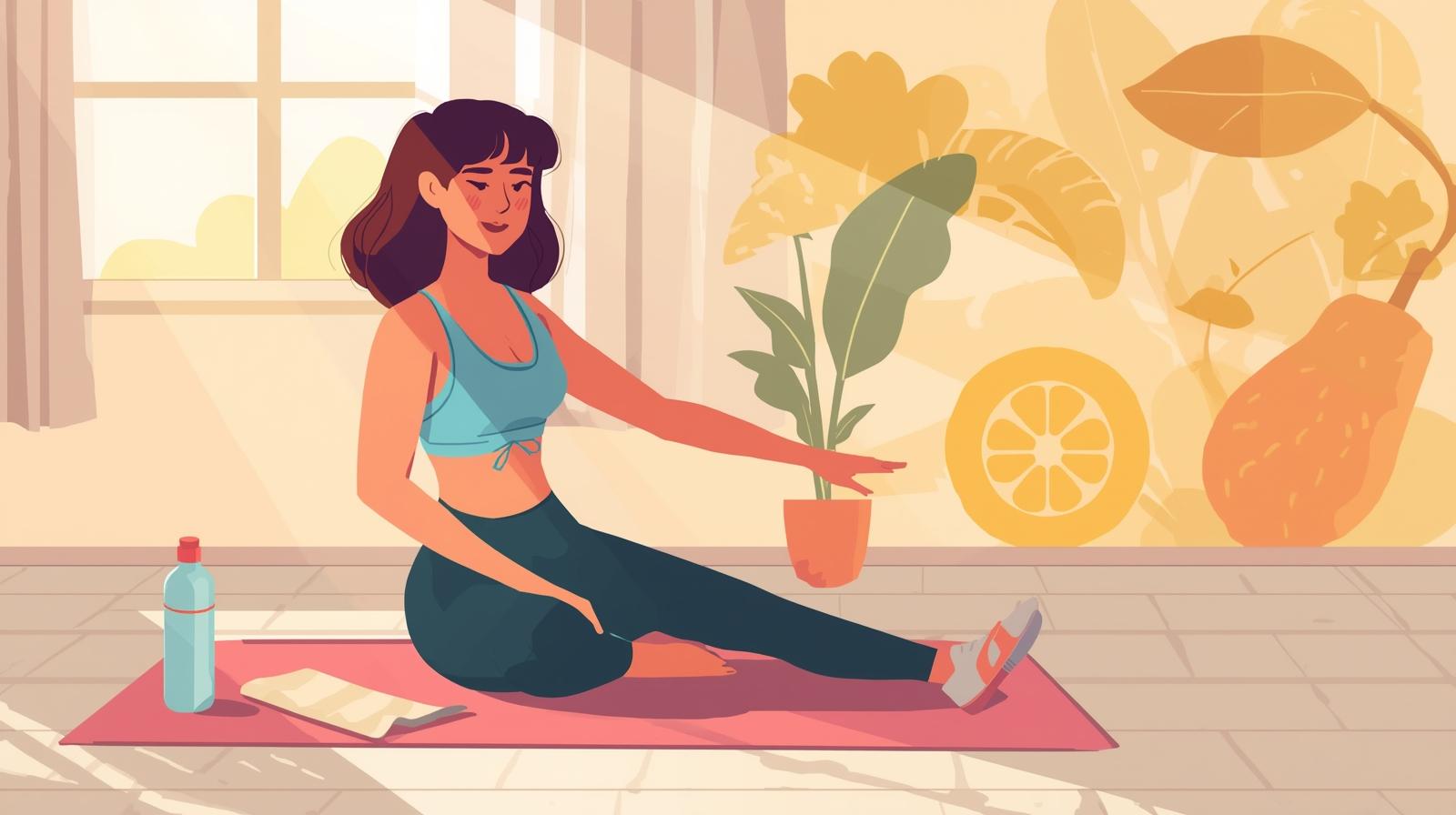
Leg cramps are a common and often frustrating issue that can strike during activity, at rest, or even while sleeping. These sudden, involuntary contractions of the muscles especially in the calves, hamstrings, or thighs can be painful and disruptive. The good news is that leg cramps are often preventable with simple lifestyle adjustments.
This article explains the main causes of leg cramps and offers practical tips on how to prevent leg cramps effectively.
What Causes Leg Cramps?
Understanding the root causes is the first step in prevention. Leg cramps can occur due to:
- Dehydration: Inadequate fluid intake can reduce muscle function and lead to cramps.
- Electrolyte Imbalance: Low levels of potassium, magnesium, or calcium affect muscle contraction.
- Overuse or Fatigue: Long periods of exercise, standing, or intense activity can strain muscles.
- Poor Circulation: Reduced blood flow or sitting in awkward positions can trigger cramps.
- Nighttime Muscle Shortening: Sleeping with legs in a flexed position can increase the likelihood of cramps.
How Can You Prevent Leg Cramps During the Day?
There are several proactive measures to reduce the risk of leg cramps:
1. Stay Hydrated
Adequate fluid intake is essential for muscle health. Drinking water consistently throughout the day and replenishing electrolytes during heavy exercise helps maintain proper muscle function.
2. Stretch Regularly
Regular stretching of the calves, hamstrings, and quadriceps improves flexibility and reduces tension. Simple stretches before and after exercise or before bed are highly effective.
3. Strengthen Muscles
Muscle weakness can increase the likelihood of cramps. Exercises such as squats, lunges, and calf raises improve strength and endurance, making cramps less likely.
4. Maintain Proper Nutrition
Foods rich in potassium, magnesium, and calcium support muscle function. Bananas, leafy greens, dairy, and nuts are excellent sources. Supplements can be considered if dietary intake is insufficient.
5. Wear Supportive Footwear
Proper shoes provide stability, reduce strain on muscles, and help prevent cramping during extended periods of standing or walking.
How Can You Prevent Leg Cramps During Physical Activity?
Even active individuals can experience cramps if precautions are not taken. Consider these tips:
- Warm Up & Cool Down: Gentle stretches and warm-ups before activity, and cooling down afterward, improve blood flow and muscle function.
- Pace Exercise Intensity: Avoid sudden increases in activity or overworking fatigued muscles. Gradual progression reduces cramp risk.
- Stay Hydrated During Activity: Drinking water or electrolyte beverages during exercise helps prevent dehydration-related cramps.
- Massage & Foam Rolling: Loosening tight muscles through massage or foam rolling enhances circulation and reduces cramp occurrence.
Nighttime Prevention: How Can You Prevent Leg Cramps While Sleeping?
Leg cramps often occur during sleep. Preventive measures include:
- Stretching calves, hamstrings, and thighs before bed.
- Using a pillow to slightly elevate legs, which can improve circulation.
- Staying hydrated throughout the day and before bed.
- Avoiding sleeping positions that excessively flex the feet or calves.
Additional Tips & Remedies
Several additional methods can reduce leg cramp frequency:
- Warm Compresses: Applying heat relaxes tight muscles.
- Electrolyte Solutions or Drinks: Help maintain mineral balance.
- Topical Magnesium: Creams or oils may aid in muscle relaxation.
- Proper Sleep and Activity Balance: Avoid prolonged sitting or standing without movement.
Common Myths About Leg Cramps
- “Stretching always prevents cramps.” Stretching helps but is not sufficient alone; hydration and electrolytes are equally important.
- “Only older adults get leg cramps.” People of all ages can experience cramps, including athletes and pregnant individuals.
- “Cramps indicate weakness.” Cramping is often caused by fatigue, dehydration, or electrolyte imbalance rather than muscle strength.
How Can You Prevent Leg Cramps?
Preventing leg cramps involves a combination of hydration, proper nutrition, stretching, muscle strengthening, and supportive footwear. By adopting these habits, the likelihood of experiencing cramps during activity or at night can be significantly reduced.
Leg cramps are common, but with consistent care and preventive measures, legs can remain flexible, comfortable, and pain-free.