
Understanding Kidney Disease and Skin Conditions
Kidney problems affect more than just your internal organs. If your kidneys are not working well, your skin is one of the first places to show it. This happens because of signs. Because signs. Kidneys filter toxins, balance minerals, and fluids. When they slow down, these changes can appear on your skin.
Suppose you have unusual or ongoing skin symptoms. In that case, learning about the link between kidney disease and skin problems can help you recognize early warning signs, get the appropriate treatment, and protect your health. This guide covers 10 common skin issues linked to kidney problems, explains their causes, and offers tips for managing them.
Here’s what you need to know.
1. Dry, Flaky Skin
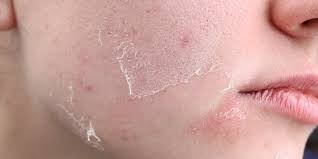
Dry skin is often one of the first signs people notice. When the kidneys are not working properly, the body struggles to keep nutrients and moisture in balance. Fewer natural oils and less sweating can make your skin feel tight, rough, and flaky.
People with chronic kidney disease often say their dry skin does not improve, even with moisturizers. This is more than just a skin irritation—it shows that the body’s fluid and mineral balance is not right.
How to manage:
Use thick, fragrance-free moisturizers, increase hydration if advised by your doctor, and avoid long, hot showers that strip skin oils.
2. Persistent Itching (Pruritus)

Itching without a rash is one of the most common skin problems in people with kidney disease. This itching often feels deep under the skin, gets worse at night, and can be strong enough to disturb sleep.
This happens because toxins build up in the blood when the kidneys can’t filter them out. These toxins irritate nerves and skin, causing the urge to scratch.
How to manage:
Moisturize. Kidney disease can change your skin color, making it look darker, paler, yellowish, or gray. This is caused by waste building up in the blood or by the body making more pigment than usual. Pale skin can also be a sign of anemia, which is very common in people with long-term kidney problems because the kidneys help make red blood cells. Tra skin-pigmenting substances.
Pale skin can also signal anemia, which is extremely common in chronic kidney problems because the kidneys help produce red blood cells.
How to manage:
Work with your nephrologist to improve kidney function, correct anemia, and follow proper dialysis schedules. Topical options might reduce discoloration, but internal treatment is key.
4. Rash-Like Patches

People with advanced kidney disease may get red, irritated, or scaly patches that look like eczema or psoriasis. These patches can appear on the arms, legs, or body.
These rashes are often caused by mineral imbalances, a buildup of toxins, or an overactive immune system, all of which are common in kidney disease.
How to manage:
Hydration, topical steroids, antihistamines, and mineral level management under medical supervision can help reduce flare-ups.
5. Uremic Frost
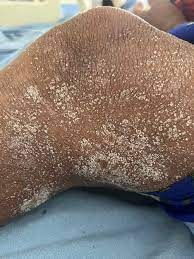
Uremic frost is a rare condition seen in people with severe kidney failure. When waste levels get very high, urea crystals can form on the skin, creating a white, powdery layer that looks like frost.
This condition means the kidneys are not filtering at all, and usually requires urgent medical care.
How to manage:
Immediate dialysis treatment is required. This usually happens in advanced kidney failure, which upsets protein balance and makes the skin weaker. Gentle cleansing can remove crystals, but medical treatment is the priority.
6. Blisters (Bullous Lesions)
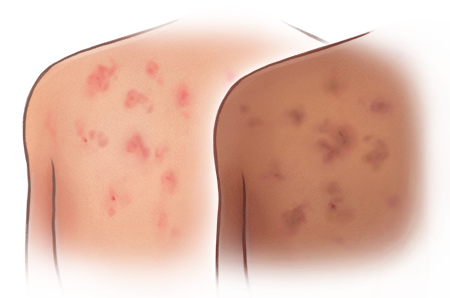
Some people with kidney disease get sudden blisters filled with clear fluid. These blisters can appear without any injury and may show up on the hands, feet, or legs.
The cause is usually advanced kidney disease. Kidney disease can also affect your nails, which may show warning signs such as popping blisters. Keep the area clean, cover with sterile dressings, and talk to your healthcare provider about possible mineral or protein imbalance. Nail changes happen because kidney problems affect protein levels, oxygen in the blood, and the removal of toxins. ces.
7. Nail Changes
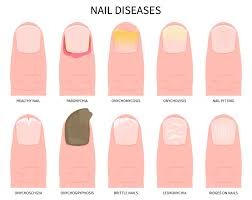
Kidney disease doesn’t only affect skin; nails can also reveal warning signs. These include:
- White-colored nails
- Red or brown streaks
- Half-and-half nails, where the top is pale and the bottom is brown
- Soft, brittle nails
These changes happen when kidney dysfunction impacts protein levels, oxygen supply, and toxin removal.
How to manage:
Addressing underlying kidney issues often improves nail health over time. Gentle nail care and avoiding harsh chemicals can also help.
8. Swelling-Related Skin Tightness

When the kidneys do not filter well, the body holds on to sodium and water. This causes swelling in the legs, feet, hands, and sometimes the face. The skin then feels shiny, stretched, and tight.
This swelling, called edema, means the body is keeping extra fluid because the kidneys are not working well.
How to manage:
A low-sodium diet, compression socks, elevation of legs, and proper kidney treatment can reduce swelling.
9. Calciphylaxis
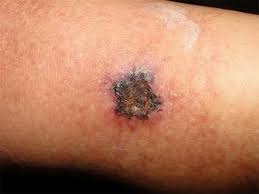
Calciphylaxis is a serious skin problem that mostly affects people with end-stage kidney disease. It happens when calcium builds up in blood vessels, leading to painful sores, hard lumps, and skin damage.rdThis condition is very dangerous and needs immediate medical attention.us and needs immediate care.
How to manage:
Treatment often involves dialysis adjustments, medications to balance minerals, wound care, and monitoring calcium-phosphate levels.
10. Folliculitis and Infection-Related Skin Issues

People with kidney disease are more likely to get infections because their immune system is weaker. Folliculitis, which causes small, inflamed bumps from infected hair follicles, is common.
Additionally, broken skin from scratching due to severe itching increases the chances of bacterial infections.
How to manage:
Gentle cleansing, avoiding scratching, using mild antibacterial washes, and getting medical treatment if infections worsen.
How Kidney Disease Triggers Skin Problems
To understand how kidney disease affects the skin, it helps to know what healthy kidneys do. Healthy kidneys:
- Filter toxins
- Balance minerals
- Regulate fluids
- Support blood cell production.
- Maintain overall chemical stability.
When the kidneys are damaged, the whole system is affected. Toxins stay in the blood, minerals become unbalanced, and the skin is often one of the first organs to show problems. That’s why you should not ignore skin symptoms.
When to Seek Medical Help
If you notice sudden skin changes that don’t improve, especially if you already have kidney issues, it’s important to talk to a healthcare provider. These symptoms aren’t just surface-level problems—they can indicate deeper kidney dysfunction.
Getting early treatment can help prevent complications, slow down kidney disease, and improve your quality of life.
Final Thoughts
Skin problems may seem minor, but they can signal bigger health issues. The connection between kidney disease and skin conditions shows how closely the body’s systems work together. Noticing unusual dryness, color changes, swelling, blisters, or ongoing itching can help you find kidney problems sooner and get the right care.
Understanding these signs empowers you to take control of your health, ask the right questions, and make informed decisions. If you’re dealing with any of these symptoms, don’t ignore them—your skin might be signaling something important.