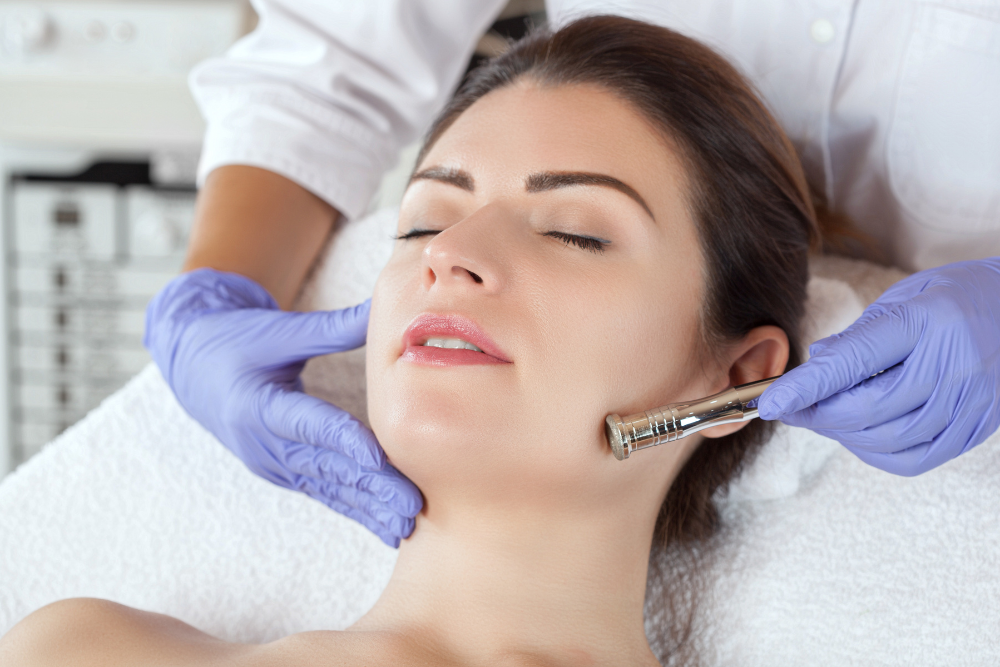
Achieving smooth, radiant skin doesn’t always require expensive spa treatments. Learning how to dermaplane face properly can help remove dead skin cells, eliminate fine facial hair, and create a brighter complexion from the comfort of your home. Dermaplaning has become one of the most popular skincare techniques in the USA because it offers immediate results and helps skincare products absorb more effectively.
In this guide by WebThreds, you’ll discover everything you need to know about how to dermaplane face safely and effectively.
What Is Dermaplaning?
Dermaplaning is a non-invasive exfoliation process that uses a sterile blade to gently scrape away dead skin cells and unwanted facial hair. This treatment leaves the skin feeling soft, smooth, and refreshed. Understanding red bumps after shaving correctly is important to avoid irritation and achieve professional-looking results.
Many people use this technique as a reliable peach fuzz removal method because it instantly creates a smoother skin texture and enhances makeup application.
Benefits of Dermaplaning
Before learning how to dermaplane face, it’s helpful to understand its benefits:
- Removes dead skin buildup
- Improves skin texture
- Creates a brighter complexion
- Enhances skincare product absorption
- Makes makeup application smoother
- Eliminates fine facial hair
Because of these advantages, dermaplaning has become a preferred facial hair removal technique for individuals seeking smooth and healthy-looking skin.
Skin Preparation Before Dermaplaning
Proper skin preparation for shaving your face is essential for safe and effective dermaplaning. Preparing your skin reduces the risk of cuts and irritation.
Follow these steps:
- Wash your face with a gentle cleanser.
- Remove all makeup, oil, and dirt.
- Pat the skin completely dry.
- Tie back your hair to keep it away from the treatment area.
- Ensure your dermaplaning blade is clean and sanitized.
Good skin preparation for shaving face allows the blade to glide more smoothly and helps achieve better results.
Facial Dermaplaning Steps
Following the correct facial dermaplaning steps is crucial for achieving smooth skin safely.
Step 1: Hold the Skin Tight
Use one hand to gently stretch the skin. This creates a flat surface for the blade.
Step 2: Position the Blade Correctly
Hold the blade at approximately a 45-degree angle.
Step 3: Use Gentle Strokes
Apply light pressure and move the blade downward using short strokes.
Step 4: Work in Sections
Treat small areas at a time, including the cheeks, forehead, jawline, and chin.
Step 5: Avoid Sensitive Areas
Stay away from active acne, cuts, or irritated skin.
These facial dermaplaning steps help ensure a safe and effective treatment experience.
Proper Dermaplaning Technique
Using the proper dermaplaning technique is the key to preventing skin irritation. Never drag the blade aggressively across the skin. Instead, use gentle and controlled movements.
The proper dermaplaning technique involves maintaining a consistent blade angle, working slowly, and avoiding excessive pressure. Patience is more important than speed when performing dermaplaning at home.
Facial Blade Usage Instructions
Understanding facial blade usage instructions can significantly improve your results.
- Always use a clean and sharp blade.
- Replace blades regularly.
- Hold the blade at a 45-degree angle.
- Use short downward motions.
- Store blades in a clean, dry location.
Following these facial blade usage instructions helps maintain hygiene and minimizes the chance of irritation.
At-Home Exfoliation Guide
Dermaplaning is often considered an effective at-home exfoliation guide because it removes both dead skin cells and fine hair simultaneously.
When creating your personal at-home exfoliation guide, remember not to over-exfoliate. Most individuals only need to dermaplane once every three to four weeks. Excessive treatments may cause sensitivity and dryness.
Gentle Face Shaving Method
Many skincare experts describe dermaplaning as a gentle face shaving method because it focuses on exfoliation while removing fine facial hair.
Unlike traditional shaving, this gentle face shaving method uses precise techniques to improve skin texture and radiance without causing significant irritation when performed correctly.
Peach Fuzz Removal Method
One of the primary reasons people learn how to dermaplane face is to remove unwanted peach fuzz. As a trusted peach fuzz removal method, dermaplaning helps create a flawless canvas for makeup and skincare products.
Contrary to popular myths, dermaplaning does not cause facial hair to grow back thicker or darker. Hair typically returns with the same texture and appearance.
Dermaplaning Safety Tips
Following important dermaplaning safety tips helps protect your skin and ensures optimal results.
- Always use a sanitized blade.
- Avoid dermaplaning over active acne.
- Do not use excessive pressure.
- Apply sunscreen after treatment.
- Moisturize your skin regularly.
- Stop immediately if irritation occurs.
These dermaplaning safety tips can help reduce the risk of cuts, redness, and sensitivity.
Skincare Routine for Smooth Skin After Dermaplaning
A proper skincare routine for smooth skin is essential after dermaplaning. Freshly exfoliated skin is more receptive to nourishing products.
Recommended post-dermaplaning care includes:
- Gentle hydrating cleanser
- Hyaluronic acid serum
- Moisturizer
- Broad-spectrum SPF 30 or higher
Maintaining a consistent skincare routine for smooth skin helps preserve your results and keeps your complexion healthy and glowing.
Common Mistakes to Avoid
When learning how to dermaplane face, avoid these common errors:
- Using dull blades
- Applying too much pressure
- Dermaplaning over inflamed skin
- Skipping sunscreen afterward
- Performing treatments too frequently
Avoiding these mistakes will help maximize the benefits of how to dermaplane face while minimizing potential skin irritation.
Conclusion
At WebThreds, learning how to dermaplane face can transform your skincare routine by providing smoother, brighter, and healthier-looking skin. By following the correct preparation methods, using the right tools, and practicing safe techniques, you can enjoy professional-quality results at home. Whether your goal is exfoliation, improved product absorption, or facial hair removal, dermaplaning offers an effective solution when done correctly.
FAQs
1. How often should I dermaplane my face?
Most people should dermaplane every 3 to 4 weeks to allow the skin to complete its natural renewal cycle.
2. Is dermaplaning safe for sensitive skin?
Yes, but individuals with sensitive skin should use extra caution, apply minimal pressure, and follow recommended aftercare instructions.
3. Does dermaplaning make facial hair grow back thicker?
No. Dermaplaning does not change the thickness, color, or growth rate of facial hair.
4. What should I apply after dermaplaning?
Use a hydrating serum, moisturizer, and sunscreen to protect and nourish freshly exfoliated skin.