
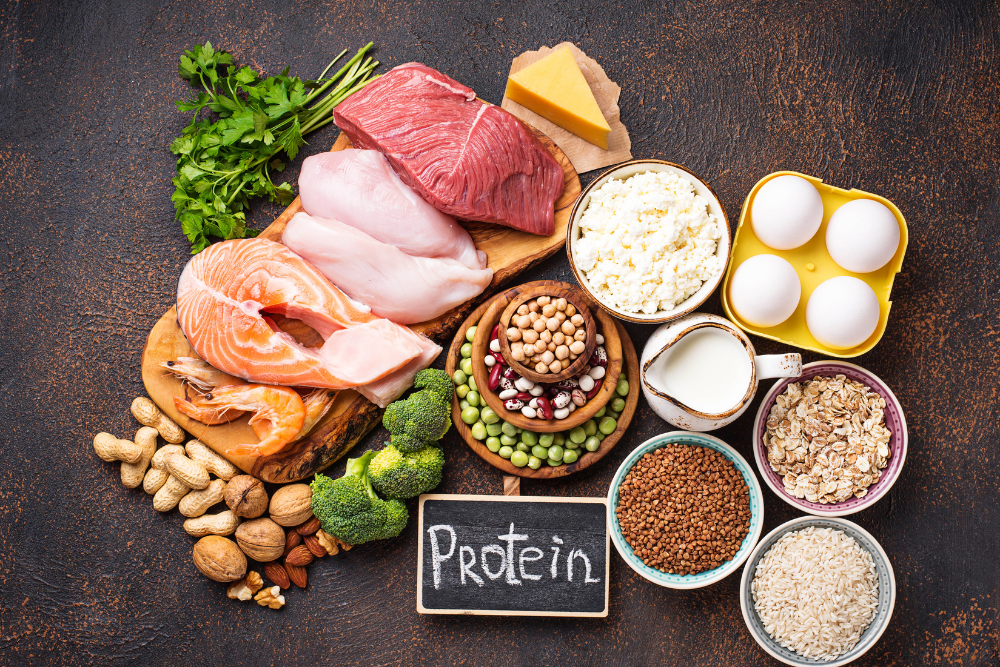
Protein is one of the most important nutrients your body needs to stay healthy, build muscle, repair tissues, and support essential bodily functions. Whether you want to improve your fitness, maintain a healthy weight, or simply enjoy a balanced diet, adding Foods High in Protein to your daily meals can make a significant difference.
Protein helps you feel fuller for longer, supports muscle recovery, and contributes to healthy skin, hair, and bones. Fortunately, you do not need expensive supplements to meet your daily protein requirements. Many affordable and delicious foods provide plenty of protein.
In this guide by WebThreds, we explore 20 nutritious protein-rich options you can easily include in your everyday diet.
Why Is Protein Important for Your Body?
Protein is made up of amino acids that help your body perform several essential functions. It supports muscle development, repairs damaged tissues, produces enzymes and hormones, and helps maintain a healthy immune system.
Including high-protein foods in your meals can also support weight management because protein promotes fullness and may reduce unnecessary snacking. People who exercise regularly can particularly benefit from sufficient protein intake to support muscle repair and recovery.
20 Foods High in Protein to Add to Your Daily Diet
Here are 20 nutritious options that can help you increase your daily protein intake naturally.
1. Eggs
Eggs are one of the most affordable and versatile protein sources. One large egg provides approximately 6 grams of protein, along with essential vitamins and minerals. You can enjoy boiled eggs, omelets, scrambled eggs, or poached eggs for breakfast.
2. Chicken Breast
Chicken breast is a popular choice among fitness enthusiasts because it is rich in protein and relatively low in fat when prepared without the skin. A 100-gram cooked serving provides approximately 31 grams of protein. Add grilled chicken to salads, sandwiches, or rice dishes.
3. Greek Yogurt
Greek yogurt contains more protein than many traditional yogurt varieties. A 170-gram serving can provide approximately 15–18 grams of protein, depending on the brand. It also contains calcium and beneficial bacteria that support digestive health.
4. Salmon
Salmon is an excellent source of protein and healthy omega-3 fatty acids. A 100-gram cooked serving provides approximately 22–25 grams of protein. Regularly including salmon in your diet can support heart health and provide important nutrients.
5. Cottage Cheese
Cottage cheese is a nutritious dairy product that provides approximately 11–13 grams of protein per 100 grams. It is also a source of calcium and can be enjoyed with fruits, vegetables, or whole-grain toast.
6. Lentils
Lentils are affordable, plant-based protein sources that are especially useful for vegetarian diets. One cup of cooked lentils contains approximately 18 grams of protein. They also provide fiber, iron, and folate.
7. Almonds
Almonds are nutritious nuts containing approximately 6 grams of protein per 28-gram serving. They also provide healthy fats, vitamin E, and magnesium. Enjoy a small handful as a snack or add chopped almonds to oatmeal and yogurt.
8. Tuna
Tuna is a convenient seafood option that provides approximately 25–30 grams of protein per 100 grams, depending on the variety. It works well in sandwiches, salads, and wraps. Choose options with lower added sodium and consider mercury levels when planning frequent consumption.
9. Chickpeas
Chickpeas are versatile legumes that provide around 15 grams of protein per cooked cup. They are also rich in dietary fiber, making them a filling addition to meals. Use them in hummus, curries, soups, or salads.
10. Milk
Milk provides approximately 8 grams of protein per cup (240 ml). It also contains calcium, vitamin B12, and other important nutrients. You can drink it plain or add it to smoothies, oatmeal, and breakfast cereals.
11. Quinoa
Quinoa is a nutritious seed commonly used as a grain alternative. One cup of cooked quinoa provides approximately 8 grams of protein. It contains all nine essential amino acids, making it a valuable addition to plant-based meals.
12. Turkey Breast
Turkey breast is a lean protein source that offers approximately 29 grams of protein per 100 grams when cooked. It can be included in sandwiches, salads, and healthy lunch bowls.
13. Pumpkin Seeds
Pumpkin seeds contain approximately 7–9 grams of protein per 28-gram serving. They also provide magnesium, zinc, and healthy fats. Sprinkle them over salads, soups, or yogurt for additional nutrition.
14. Tofu
Tofu is a popular plant-based protein made from soybeans. Depending on its firmness and brand, 100 grams can provide approximately 8–17 grams of protein. It absorbs flavors easily and works well in stir-fries, curries, and salads.
15. Peanut Butter
Peanut butter provides approximately 7–8 grams of protein per two tablespoons. It also contains healthy fats and calories that provide energy. Choose natural varieties with minimal added sugar and salt.
16. Shrimp
Shrimp is a low-calorie seafood option that contains approximately 24 grams of protein per 100 grams when cooked. It can be prepared with vegetables, added to pasta, or served with rice for a balanced meal.
17. Black Beans
Black beans provide approximately 15 grams of protein per cooked cup. They are also rich in fiber, potassium, and iron. Add them to burritos, soups, salads, and homemade vegetable bowls.
18. Edamame
Edamame consists of young soybeans that offer approximately 18 grams of protein per cooked cup. They are also a good source of fiber and several essential minerals. Enjoy them steamed with a little seasoning or add them to salads.
19. Oats
Oats provide approximately 5 grams of protein per half-cup serving of dry oats. They also contain soluble fiber, which supports digestive health and helps maintain fullness. Prepare oatmeal with milk, nuts, or seeds to increase its protein content.
20. Lean Beef
Lean beef is a protein-rich food that provides approximately 26 grams of protein per 100 grams when cooked. It also supplies iron, zinc, and vitamin B12. Choose lean cuts and enjoy moderate portions as part of a balanced diet.
How to Add More Protein to Your Daily Diet
Adding more protein does not require completely changing your eating habits. Small adjustments can help you increase your daily intake.
- Breakfast: Include eggs, Greek yogurt, milk, or peanut butter.
- Lunch: Add chicken breast, lentils, chickpeas, or tuna to your meals.
- Snacks: Choose almonds, pumpkin seeds, cottage cheese, or edamame.
- Dinner: Include salmon, tofu, lean beef, or black beans.
- After exercise: Enjoy a balanced meal containing protein and carbohydrates to support muscle recovery.
Combining different animal and plant-based protein sources can help you enjoy a wider variety of nutrients.
How Much Protein Do You Need Every Day?
Protein requirements depend on your age, body weight, activity level, and overall health. For most healthy adults, the general recommended dietary allowance is approximately 0.8 grams of protein per kilogram of body weight daily.
For example, an adult weighing 70 kilograms would need approximately 56 grams of protein per day as a general baseline. People who exercise frequently or participate in strength training may require more.
It is best to distribute protein throughout the day rather than consuming most of it in one meal. Individual requirements can vary, so consult a qualified healthcare professional or registered dietitian if you have specific dietary needs.
Conclusion
Including Foods High in Protein in your everyday meals is a simple way to support muscle health, improve fullness, and maintain a balanced diet. From eggs and chicken breast to lentils, tofu, almonds, and quinoa, there are plenty of nutritious options for every lifestyle and food preference.
The key is variety, portion balance, and consistency. Choose foods you enjoy, combine different protein sources, and make healthy eating a sustainable part of your routine.
For more practical nutrition tips, healthy eating ideas, and lifestyle guides, visit WebThreds.
Frequently Asked Questions (FAQs)
1. What Are the Best Foods High in Protein?
Eggs, chicken breast, Greek yogurt, salmon, lentils, cottage cheese, tuna, and tofu are excellent options. They provide valuable protein along with other essential nutrients.
2. Which Plant-Based Foods Contain the Most Protein?
Lentils, chickpeas, edamame, black beans, tofu, quinoa, and pumpkin seeds are excellent plant-based choices. Combining different sources can help provide a variety of essential amino acids.
3. Can Eating Protein Help With Weight Management?
Yes. Protein can increase feelings of fullness, helping you manage hunger and reduce unnecessary snacking. However, successful weight management also depends on overall calorie intake, physical activity, and healthy lifestyle habits.
4. Is It Better to Eat Protein in the Morning or at Night?
Protein can be beneficial at any time of the day. Including it in breakfast, lunch, and dinner helps distribute your intake more evenly and supports the body’s ongoing repair and maintenance processes.