
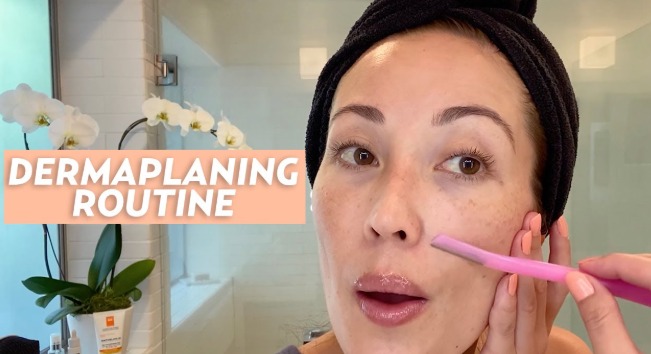
If you are searching for how to dermaplane face at home, it is important to understand what the process involves before getting started. Dermaplaning is a cosmetic exfoliation technique designed to remove dead skin cells and fine facial hair from the surface of the skin using a suitable dermaplaning tool. Many customers across the USA explore at-home dermaplaning because they want smoother-looking skin, a cleaner surface, and a more even makeup application without visiting a salon for every treatment. WebThreds provides practical beauty and skincare information to help customers understand these techniques and make informed choices. Before beginning, wash your face with a gentle cleanser and allow the skin to dry completely. Avoid dermaplaning over active acne, cuts, rashes, sunburn, infections, or areas that are already irritated. If you have sensitive or reactive skin, consulting a qualified skincare professional before trying the technique can be a sensible option.
How to Dermaplane Face at Home – Step-by-Step Process
When people ask, “how to dermaplane face at home safely,” the most important factors are hygiene, preparation, and gentle handling. Start by using a clean, appropriate dermaplaning tool and follow the manufacturer’s instructions. Keep your skin dry unless the tool specifically states otherwise. Hold the skin gently so that the surface is relatively taut, then use short, light strokes rather than pressing the blade firmly into the face. Work carefully through small sections and avoid repeatedly passing over the same spot. Areas around the eyes, lips, nostrils, and any damaged skin require extra caution. Do not rush the process simply because you want to finish quickly. After dermaplaning, use a gentle moisturizer to support skin comfort and avoid harsh scrubs or strong exfoliating products for a short period if your skin feels sensitive. During the daytime, broad-spectrum sunscreen is especially important because freshly exfoliated skin can feel more sensitive to environmental exposure. Customers in the USA can also consider professional dermaplaning if they are uncomfortable performing the procedure themselves or have specific skin concerns, making professional dermaplaning services a useful option.
Benefits, Common Mistakes, and Aftercare
At-home dermaplaning may help remove surface dead skin cells and fine facial hair, leaving the skin feeling temporarily smoother and softer. Some people also find that makeup applies more evenly after exfoliation. However, dermaplaning is not a solution for every skin concern, and individual results can vary. One of the most common mistakes is applying too much pressure, which can increase redness and irritation. Another mistake is using an unclean or unsuitable blade, which can create unnecessary hygiene and skin-safety concerns. Repeatedly scraping the same area can also make the skin uncomfortable. After learning how to dermaplane face at home, it is equally important to understand aftercare. Keep your skincare routine simple immediately afterward and avoid unnecessary friction. If you experience significant swelling, unusual pain, persistent redness, or signs of infection, stop using the technique and seek advice from a qualified healthcare professional. WebThreds aims to help USA customers understand both the potential benefits and practical limitations of at-home beauty treatments so they can make responsible skincare decisions.
Conclusion: Is At-Home Dermaplaning Right for You?
Learning how to dermaplane face at home can be useful for people who want to understand the basics of facial exfoliation and fine hair removal. However, safe preparation, suitable tools, gentle movements, and proper aftercare are essential. If your skin is irritated, damaged, acne-prone, or particularly sensitive, professional guidance may be more appropriate. WebThreds offers practical beauty information to help customers across the USA approach skincare choices with greater confidence and awareness.For more useful web resources, digital insights, and practical online solutions, visit WebThreds and explore the latest information and services available.
FAQs
1. Can I dermaplane my face at home?
Some people choose to perform dermaplaning at home, but proper hygiene, an appropriate tool, gentle technique, and careful skin preparation are essential.
2. Should I dermaplane on wet or dry skin?
For many dermaplaning tools, clean and completely dry skin is recommended. Always follow the specific instructions provided with your tool.
3. What should I avoid after at-home dermaplaning?
Avoid harsh scrubs, unnecessary friction, and potentially irritating active products if your skin feels sensitive. Keep your routine gentle and use sunscreen during the day.
4. Can I dermaplane if I have acne?
It is best to avoid dermaplaning directly over active acne, inflamed areas, open wounds, or irritated skin. If you have ongoing skin concerns, consult a qualified skincare professional first.