
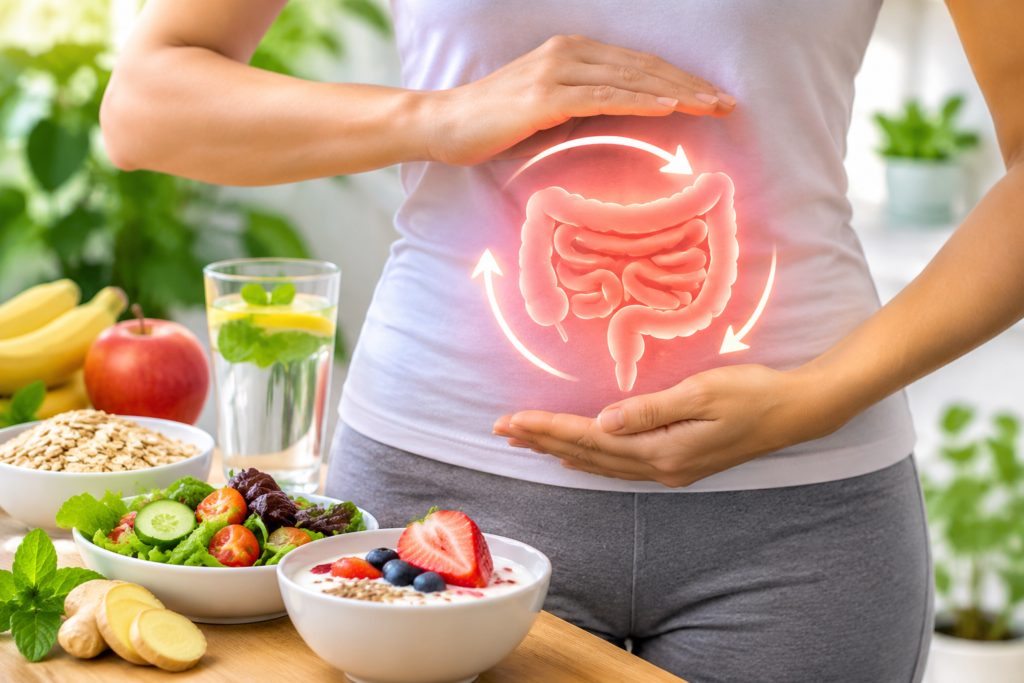
Good digestion is essential for maintaining overall health, energy levels, and nutritional balance. However, many adults across the USA experience digestive problems such as bloating, constipation, gas, acidity, and stomach discomfort because of unhealthy eating habits, stress, irregular meal timings, and limited physical activity. Learning How to Improve Digestion can help individuals develop healthier daily routines and support their digestive system naturally. At WebThreds, readers can explore practical health information, nutrition advice, and wellness tips to make informed lifestyle decisions. Whether you live in New York, California, Texas, Florida, or another part of the United States, adopting simple digestive health habits can make everyday life more comfortable.
Eat Fiber-Rich Foods to Support Healthy Digestion
One of the most effective ways to support digestive health is by including enough fiber in your daily diet. Fiber helps regulate bowel movements and supports a healthy digestive system. Foods such as apples, bananas, berries, broccoli, carrots, beans, lentils, oats, and whole grains are useful sources of dietary fiber. Adults should increase fiber intake gradually to allow their digestive system to adjust and avoid unnecessary bloating. Shopping at local grocery stores and farmers markets across the USA can make it easier to include fresh fruits and vegetables in everyday meals. WebThreds provides helpful nutrition information to encourage readers to understand the importance of fiber and make healthier food choices.
Stay Hydrated and Maintain Regular Eating Habits
Drinking enough water is important for normal digestion because fluids help the digestive system process food and support regular bowel movements. Insufficient fluid intake can contribute to constipation, particularly when combined with a low-fiber diet. Adults should maintain regular hydration throughout the day according to their individual needs, activity levels, and climate. Eating meals at consistent times can also help establish a comfortable daily routine. Instead of consuming very large meals, try eating appropriate portions and avoiding unnecessary overeating. People with busy professional schedules in cities such as Chicago, Los Angeles, and Houston can benefit from planning meals and keeping water available throughout the day.
Include Physical Activity to Improve Digestive Health
Regular physical activity can support digestion by encouraging normal bowel movements and improving overall physical health. Walking, cycling, swimming, and other moderate exercises can be useful additions to a daily routine. Even a short walk after meals may help some people feel more comfortable and reduce feelings of sluggishness. Adults can aim for at least 150 minutes of moderate-intensity physical activity each week, according to general health recommendations. People who spend long hours sitting at office desks should consider taking short movement breaks throughout the day. How to Improve Digestion is not only about choosing nutritious foods; maintaining an active lifestyle is also an important part of supporting digestive wellness.
Manage Stress and Develop Healthy Lifestyle Habits
Stress can affect digestive function and may contribute to symptoms such as stomach discomfort, bloating, or changes in bowel habits. Busy work schedules, family responsibilities, and everyday pressures can make relaxation difficult for many Americans. Practicing meditation, deep breathing, yoga, and other relaxing activities may help manage stress. Getting sufficient sleep and avoiding excessive caffeine can also support a healthier routine. Eating slowly, chewing food properly, and avoiding lying down immediately after large meals are additional habits worth developing. At WebThreds, readers can explore practical lifestyle guidance that connects mental well-being, nutrition, and digestive health.
Common Digestive Problems and When to Seek Professional Advice
Digestive problems can have different causes, including food intolerances, dietary habits, infections, and underlying medical conditions. Occasional bloating or constipation may improve through better hydration, gradual increases in dietary fiber, and regular physical activity. However, persistent heartburn, frequent abdominal pain, ongoing diarrhea, or repeated constipation should not be ignored. Individuals experiencing severe abdominal pain, blood in their stool, unexplained weight loss, or difficulty swallowing should seek prompt medical evaluation. Adults across the USA can consult qualified healthcare professionals or registered dietitians for personalized guidance. Reliable health resources from organizations such as the National Institutes of Health (NIH) and the National Institute of Diabetes and Digestive and Kidney Diseases (NIDDK) can also help readers understand digestive health.
Conclusion
Improving digestion starts with simple and consistent lifestyle changes. Eating fiber-rich foods, drinking enough water, staying physically active, managing stress, and maintaining balanced eating habits can support digestive wellness. Through WebThreds, readers across the USA can explore useful health information and practical guidance to develop healthier daily routines.
Frequently Asked Questions (FAQs)
1. How can I improve my digestion naturally?
You can support digestion by eating fiber-rich foods, drinking sufficient water, exercising regularly, eating slowly, and maintaining consistent meal timings.
2. Which foods are best for healthy digestion?
Fruits, vegetables, whole grains, oats, beans, lentils, and other fiber-rich foods can support regular bowel movements and digestive health.
3. Does walking after meals help digestion?
A gentle walk after eating may support normal digestive activity and help some people feel less bloated or uncomfortable.
4. How long does it take to improve digestion?
The time varies depending on the cause of digestive discomfort and individual health. Some people notice improvements after changing their eating and lifestyle habits, while persistent symptoms may require professional medical evaluation.