
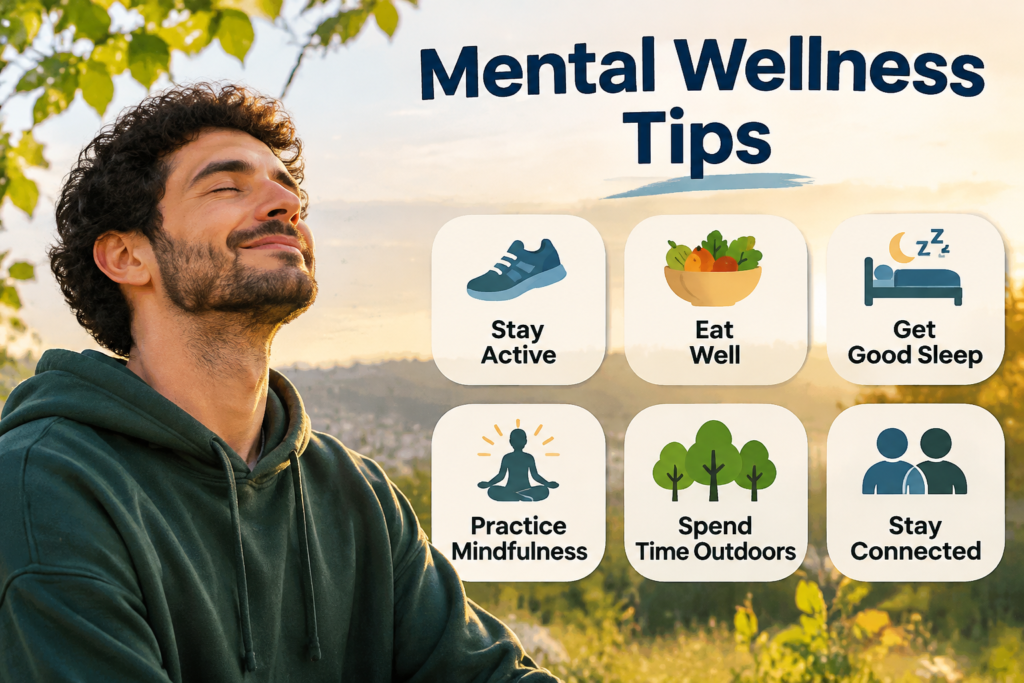
Mental wellness is an important part of maintaining a balanced and healthy lifestyle. It influences how people think, manage emotions, handle stress, and respond to everyday challenges. Following practical Mental Wellness Tips can help individuals develop healthier habits, improve emotional awareness, and maintain a positive approach toward daily responsibilities. In the USA, many people manage demanding work schedules, financial responsibilities, family commitments, and personal challenges that can affect their emotional well-being. Making time for relaxation, healthy communication, physical activity, and self-care can support better mental wellness. WebThreds provides helpful lifestyle information to encourage readers to understand emotional well-being and explore realistic ways to create healthier daily routines.
Build Healthy Daily Habits to Support Mental Wellness
Developing consistent daily habits can make a positive difference in how people manage their emotions and responsibilities. Getting enough sleep, eating balanced meals, staying physically active, and maintaining a regular daily schedule are useful starting points. Adults generally need seven to nine hours of sleep each night, although individual requirements may vary. Regular physical activity, such as walking, cycling, swimming, or yoga, can also support mood and overall health. Spending time outdoors and maintaining hobbies can provide opportunities to relax and take a break from demanding routines. These small lifestyle changes do not need to happen all at once. Gradually introducing healthy habits can make them easier to maintain over time.
Stress Management Techniques for a Balanced Lifestyle
Stress is a common experience, especially when people face work pressure, academic responsibilities, or unexpected personal challenges. Learning practical stress management techniques can help individuals respond to difficult situations more effectively. Deep breathing, meditation, journaling, stretching, and taking short breaks are simple activities that can support relaxation. For example, spending a few minutes focusing on slow breathing during a busy workday may help create a moment of calm. Organizing tasks according to importance and setting realistic daily goals can also reduce feelings of being overwhelmed. People living in busy American cities such as New York, Los Angeles, Chicago, and Houston may find it helpful to create dedicated time for relaxation away from work and digital distractions. WebThreds encourages readers to explore manageable techniques that fit their individual lifestyles.
How Social Connections Improve Emotional Well-Being
Healthy relationships and social connections are important parts of mental wellness. Spending time with family members, friends, colleagues, and supportive communities can help people feel connected and understood. Having someone to talk to during challenging situations may provide emotional comfort and a different perspective. Simple activities such as sharing meals, joining community groups, participating in recreational activities, or making regular phone calls can help maintain meaningful relationships. For individuals who work remotely or live away from family, making an effort to stay socially connected can be especially valuable. It is also important to establish healthy boundaries and spend time with people who respect personal needs. Building supportive relationships can contribute to emotional resilience and a stronger sense of belonging.
Digital Balance and Self-Care for Better Mental Health
Technology is part of everyday life, but excessive screen time and constant exposure to social media can sometimes contribute to stress, distraction, and sleep difficulties. Creating a healthier relationship with digital devices is a useful step toward improving everyday wellness. Consider limiting unnecessary notifications, taking regular screen breaks, and avoiding excessive phone use before bedtime. Self-care is another important practice that involves making time for activities that support personal well-being. Reading, listening to music, enjoying nature, preparing healthy meals, and participating in creative hobbies can provide opportunities to relax. Self-care does not always require expensive products or special activities. Even a short daily break can help people reconnect with their interests and personal priorities.
When to Seek Professional Mental Health Support
Although healthy lifestyle habits can support mental wellness, some emotional challenges may require professional assistance. Persistent sadness, ongoing anxiety, difficulty sleeping, loss of interest in regular activities, or problems managing everyday responsibilities should not be ignored. Mental health professionals, including licensed therapists, psychologists, and psychiatrists, can help individuals understand their concerns and explore suitable treatment options. In the USA, people can access mental health support through healthcare providers, community mental health centers, and telehealth services. Seeking professional help is a positive step and should not be considered a personal weakness. If someone is experiencing a mental health crisis or immediate danger, they should contact emergency services or call or text 988 in the United States for crisis support. WebThreds encourages readers to take emotional well-being seriously and understand when additional support may be helpful.
Conclusion
Maintaining mental wellness involves developing healthy habits, managing stress, building supportive relationships, and making time for self-care. Small, consistent lifestyle changes can support emotional well-being and help individuals manage everyday challenges. WebThreds provides practical Mental Wellness Tips and helpful lifestyle information to encourage a healthier and more balanced approach to daily life.
Frequently Asked Questions (FAQs)
1. What are the best Mental Wellness Tips for beginners?
Start with a consistent sleep schedule, regular physical activity, balanced meals, relaxation techniques, and meaningful social connections. Small changes can help establish healthier daily habits.
2. How can I manage everyday stress naturally?
Deep breathing, meditation, walking, journaling, organizing daily tasks, and taking regular breaks can help you manage everyday stress.
3. Why is mental wellness important for overall health?
Mental wellness influences emotional regulation, decision-making, relationships, and the ability to manage daily responsibilities. It is an important part of overall well-being.
4. When should someone seek professional mental health support?
Professional support may be helpful when sadness, anxiety, sleep difficulties, or emotional distress persist and begin affecting everyday life. A qualified mental health professional can recommend appropriate guidance and treatment.