
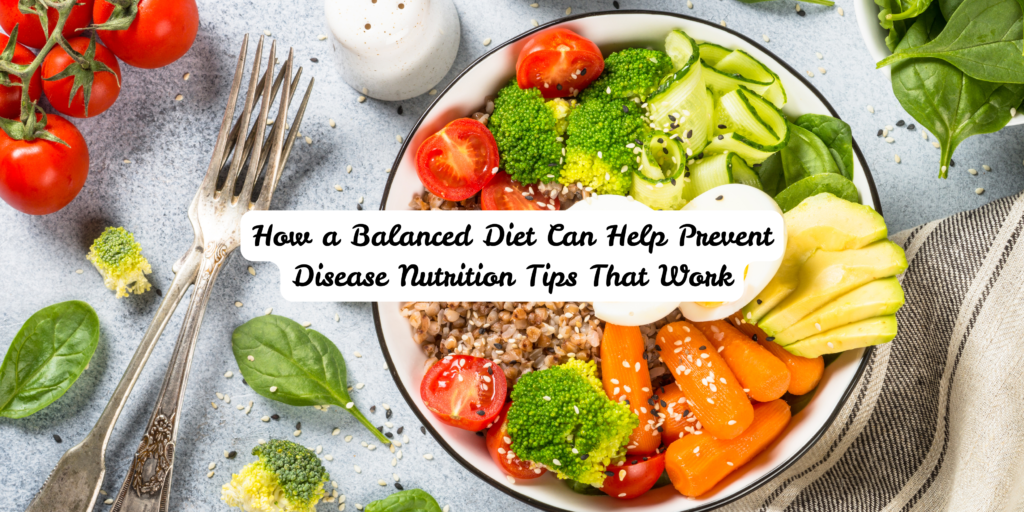
Why Diet Is the Foundation of Disease Prevention
Chronic diseases such as heart disease, diabetes, obesity, high blood pressure, and certain cancers are responsible for most preventable deaths worldwide. While genetics play a role, decades of research show that daily food choices have a far greater impact on long-term health outcomes.
This is where a diet for disease prevention becomes essential. A balanced diet doesn’t just provide energy it actively protects the body against inflammation, oxidative stress, hormonal imbalance, and metabolic dysfunction. In simple terms, what you eat every day can either increase disease risk or help prevent it.
In this article, you’ll learn:
- How a balanced diet supports disease prevention
- The science-backed balanced diet benefits
- Practical preventive nutrition strategies
- Foods that prevent disease
- How to build healthy eating habits for nutrition for long-term health
These are realistic, sustainable nutrition tips that actually work in real life.
What Is a Balanced Diet?
A balanced diet provides the body with the right proportions of macronutrients and micronutrients needed to function optimally.
Core Components of a Balanced Diet:
- Carbohydrates: Preferably whole grains, fruits, and vegetables
- Proteins: Lean animal proteins and plant-based sources
- Fats: Healthy unsaturated fats
- Vitamins & Minerals: From diverse whole foods
- Fiber: Essential for gut and metabolic health
- Water: Often overlooked but critical
A truly balanced diet is not about restriction, it’s about nutritional adequacy and consistency, which are key for disease prevention.
How Diet Influences Disease Risk
Food directly affects:
- Blood sugar levels
- Cholesterol and triglycerides
- Inflammation
- Immune function
- Gut microbiome balance
- Hormonal regulation
Poor dietary patterns high in processed foods, sugar, trans fats, and refined carbs are strongly associated with chronic illness. In contrast, preventive nutrition focuses on whole foods that protect cells, organs, and metabolic pathways.
This is why diet is considered the first line of defense in disease prevention.
Balanced Diet Benefits for Disease Prevention
1. Reduces Chronic Inflammation
Chronic inflammation is a root cause of many diseases, including heart disease, diabetes, arthritis, and autoimmune disorders.
A balanced diet rich in:
- Fruits and vegetables
- Omega-3 fatty acids
- Whole grains
- Antioxidant-rich foods
helps lower inflammatory markers and protects tissues from damage.
2. Supports Heart Health
Heart disease remains the leading cause of death globally. Diet plays a major role in cardiovascular risk.
A diet for disease prevention helps:
- Lower LDL (bad) cholesterol
- Increase HDL (good) cholesterol
- Reduce blood pressure
- Improve arterial function
Balanced diet benefits for heart health are strongest when ultra-processed foods are minimized.
3. Improves Blood Sugar Control
Unstable blood sugar contributes to insulin resistance, type 2 diabetes, and metabolic syndrome.
Preventive nutrition strategies include:
- Eating fiber-rich foods
- Pairing carbohydrates with protein and fat
- Avoiding frequent sugar spikes
A balanced diet stabilizes glucose levels and reduces diabetes risk over time.
4. Strengthens the Immune System
Nutrient deficiencies weaken immune defenses, increasing susceptibility to infections and chronic disease.
Key immune-supporting nutrients include:
- Vitamin C
- Vitamin D
- Zinc
- Iron
- Selenium
A diverse, balanced diet ensures consistent intake of these essential nutrients, supporting long-term immunity.
Foods That Prevent Disease (Backed by Science)
No single food prevents disease on its own—but certain foods consistently show protective effects when consumed regularly.
1. Fruits and Vegetables
Rich in antioxidants, fiber, and phytochemicals, fruits and vegetables reduce the risk of:
- Heart disease
- Certain cancers
- Digestive disorders
Aim for variety and color to maximize nutrient intake.
2. Whole Grains
Whole grains support:
- Gut health
- Blood sugar regulation
- Cardiovascular health
Examples include oats, brown rice, quinoa, barley, and whole wheat.
3. Healthy Fats
Unsaturated fats help reduce inflammation and improve cholesterol profiles.
Best sources:
- Olive oil
- Avocados
- Nuts and seeds
- Fatty fish
Healthy fats are essential in nutrition for long-term health.
4. Lean Protein Sources
Protein supports muscle mass, metabolic health, and immune function.
Healthy options:
- Fish
- Poultry
- Eggs
- Legumes
- Tofu and lentils
Protein also helps control appetite and blood sugar.
5. Fermented and Fiber-Rich Foods
Gut health plays a major role in disease prevention.
Foods like:
- Yogurt
- Kefir
- Sauerkraut
- Beans and legumes
support a healthy microbiome, which influences immunity and inflammation.
Preventive Nutrition and Chronic Disease Prevention
Preventive nutrition is not about perfection it’s about consistent patterns.
Diseases Strongly Influenced by Diet:
- Type 2 diabetes
- Cardiovascular disease
- Obesity
- Fatty liver disease
- Osteoporosis
- Certain cancers
A balanced diet reduces risk by supporting metabolic stability and reducing systemic stress on the body.
Healthy Eating Habits That Actually Work
Long-term success comes from habits, not temporary diets.
Practical Healthy Eating Habits:
- Eat regular meals to avoid blood sugar crashes
- Include protein at every meal
- Fill half your plate with vegetables
- Cook more meals at home
- Read ingredient labels
- Practice portion awareness
Healthy eating habits are the backbone of any effective diet for disease prevention.
The Role of Portion Control and Meal Balance
Even healthy foods can contribute to weight gain and metabolic issues when portions are excessive.
A balanced plate includes:
- ½ vegetables and fruits
- ¼ protein
- ¼ whole grains
- Healthy fats in moderation
This structure supports energy balance and disease prevention.
Diet vs. Supplements: What Matters More?
While supplements can help correct deficiencies, they cannot replace a balanced diet.
Whole foods provide:
- Synergistic nutrients
- Fiber
- Bioactive compounds
Preventive nutrition should prioritize food first, with supplements used only when necessary.
Nutrition for Long-Term Health and Aging
Diet quality becomes even more important with age.
A balanced diet supports:
- Bone health
- Muscle maintenance
- Cognitive function
- Heart and metabolic health
Nutrition for long-term health focuses on maintaining strength, independence, and vitality, not just avoiding disease.
Common Nutrition Myths That Increase Disease Risk
Myth 1: “All Carbs Are Bad”
Whole carbohydrates are protective, not harmful.
Myth 2: “Healthy Eating Is Expensive”
Whole foods like beans, eggs, rice, and vegetables are cost-effective.
Myth 3: “One Superfood Can Fix Everything”
Consistency matters more than individual foods.
Understanding nutrition science helps prevent misinformation-driven habits.
How to Start a Diet for Disease Prevention (Step-by-Step)
- Replace sugary drinks with water
- Add one extra vegetable per meal
- Switch refined grains to whole grains
- Include healthy fats daily
- Reduce ultra-processed food intake
- Eat mindfully and consistently
Small changes compound into powerful long-term results.
Conclusion: A Balanced Diet Is Preventive Medicine
A balanced diet is not a trend, it’s a lifelong investment in health.
By adopting a diet for disease prevention, practicing preventive nutrition, and building sustainable healthy eating habits, you can:
- Reduce chronic disease risk
- Improve energy and immunity
- Support mental and metabolic health
- Enhance nutrition for long-term health
Food is more than fuel, it’s information for your body.
Choose wisely, eat consistently, and let nutrition work for you every day.