
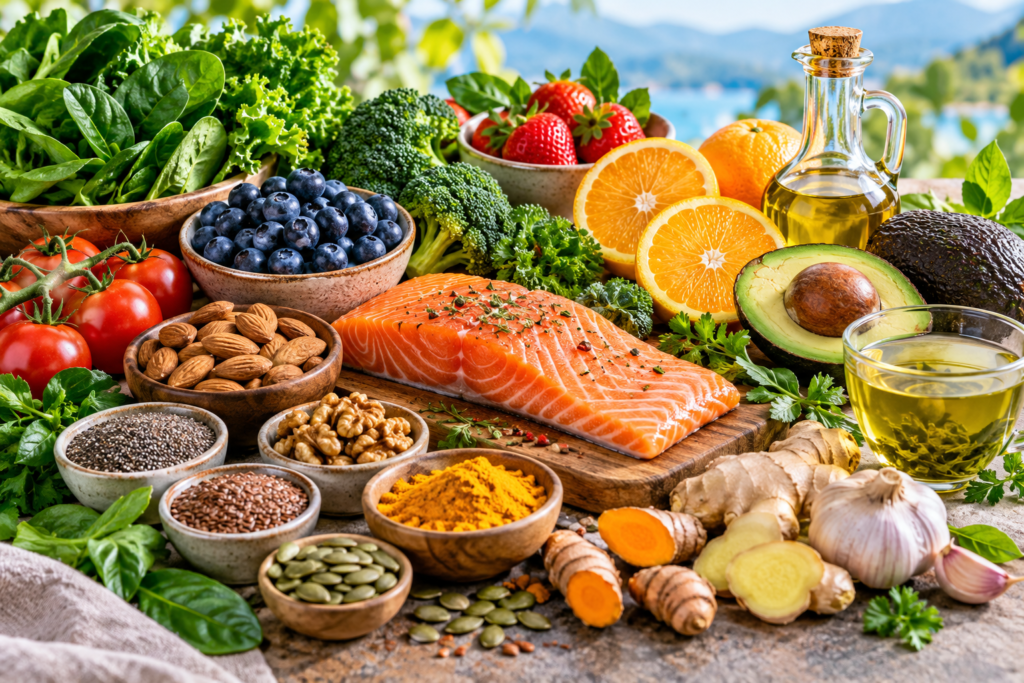
Including anti inflammatory foods in your daily diet can help support overall health, maintain a balanced immune response, and promote long-term wellness. Inflammation is a natural process that helps the body respond to injuries, infections, and other harmful conditions. However, persistent inflammation can contribute to certain long-term health problems, including cardiovascular disease and some metabolic conditions.
For individuals across the USA, dietary habits can influence inflammation-related processes in the body. A diet containing excessive amounts of highly processed foods, refined carbohydrates, and certain unhealthy fats may contribute to poor overall health, while a balanced eating pattern rich in vegetables, fruits, whole grains, and unsaturated fats is associated with better health outcomes.
Foods containing antioxidants, dietary fiber, omega-3 fatty acids, vitamins, and beneficial plant compounds can support normal biological functions and help maintain a healthier nutritional balance.
WebThreds focuses on providing practical nutrition and wellness information to help readers understand healthy food choices and everyday dietary habits.
Rather than relying on a single ingredient or restrictive diet, a sustainable approach involves combining different nutrient-rich foods with regular physical activity, appropriate sleep, and healthy lifestyle routines.
What Are the Best Anti Inflammatory Foods?
Fruits, Vegetables, Healthy Fats, and Natural Ingredients
A common question is, “What are the best anti inflammatory foods to include in your daily diet?” Several food groups provide nutrients associated with healthy inflammatory responses.
Fatty fish: Salmon, sardines, trout, and mackerel contain omega-3 fatty acids, particularly EPA and DHA. These fats play important roles in normal cell function and the regulation of inflammatory processes.
Berries: Blueberries, strawberries, raspberries, and blackberries contain antioxidants and plant compounds called polyphenols. They also provide dietary fiber and essential nutrients.
Leafy green vegetables: Spinach, kale, and other leafy greens contain vitamins, minerals, and antioxidants that support balanced nutrition.
Olive oil: Extra virgin olive oil provides monounsaturated fats and plant compounds associated with the health benefits of Mediterranean-style eating patterns.
Nuts and seeds: Walnuts, almonds, chia seeds, and flaxseeds supply healthy fats, fiber, and important micronutrients.
Whole grains: Oats, quinoa, brown rice, and barley provide fiber and nutrients that support digestive and metabolic health.
Turmeric and ginger: These ingredients contain naturally occurring compounds studied for their potential effects on inflammatory pathways. However, using them in food should not be confused with taking concentrated supplements or medical treatments.
Legumes: Lentils, chickpeas, and beans provide plant-based protein, fiber, vitamins, and minerals.
WebThreds encourages readers to include a variety of these foods as part of a balanced eating pattern rather than expecting immediate health improvements from a single food.
Benefits of Eating Anti Inflammatory Foods Regularly
How Can an Anti-Inflammatory Diet Support Overall Health?
One of the main advantages of eating anti inflammatory foods is the opportunity to improve overall dietary quality while supporting several important body functions.
Diets rich in fruits, vegetables, legumes, fish, and whole grains are associated with better cardiovascular health. These foods provide beneficial fats, fiber, and nutrients that support normal blood pressure, cholesterol management, and metabolic processes.
Antioxidant-rich foods also help the body manage oxidative stress, a process involving reactive molecules that can damage cells when normal protective systems become overwhelmed.
Fiber-rich foods support digestive function and beneficial intestinal bacteria. Gut microorganisms interact with the immune system and may influence several inflammation-related pathways.
A Mediterranean-style eating pattern is one of the most extensively studied dietary approaches in this area. It emphasizes vegetables, fruit, legumes, nuts, olive oil, whole grains, and fish while limiting highly processed foods.
However, dietary improvements do not guarantee the prevention or treatment of inflammatory diseases. Research findings vary by condition, and individual medical needs should always be considered.
For people across the USA, building healthy eating habits can be more practical than following short-term restrictive diets.
WebThreds focuses on evidence-informed nutrition guidance that encourages balanced eating and realistic expectations.
How to Add Anti Inflammatory Foods to Your Daily Diet
Simple Meal Planning Tips for Better Nutrition
Adding anti inflammatory foods to everyday meals does not require expensive ingredients or a complicated eating plan. Small, consistent changes can help improve dietary variety and nutritional quality.
Healthy breakfast: Start the day with oatmeal topped with berries, walnuts, or chia seeds. Unsweetened yogurt with fruit can also be a convenient option.
Balanced lunch: Prepare a salad with leafy greens, chickpeas, vegetables, and an olive oil-based dressing. Whole grain sandwiches with suitable protein sources are another practical choice.
Nutritious dinner: Include fish, lentils, or other protein sources alongside vegetables and whole grains. Meals featuring salmon, brown rice, and steamed vegetables can provide several beneficial nutrients.
Smart snacks: Choose fruit, nuts, seeds, or vegetables instead of relying frequently on highly processed snacks.
It can also help to reduce regular consumption of sugar-sweetened beverages, processed meats, and foods high in sodium or saturated fat.
Hydration, physical activity, sleep, and stress management are additional parts of a healthy lifestyle.
People with food allergies, kidney disease, digestive disorders, or other medical conditions may require individualized dietary advice. Anyone experiencing persistent symptoms related to inflammation should consult an appropriate healthcare professional.
WebThreds encourages readers across the USA to focus on accessible foods, balanced meals, and sustainable nutritional habits.
Conclusion
Including anti inflammatory foods in a balanced diet can support general wellness, cardiovascular health, digestive function, and normal immune processes.
Fatty fish, berries, leafy vegetables, olive oil, nuts, seeds, legumes, and whole grains are useful components of a nutrient-rich eating pattern.
WebThreds provides practical nutrition and lifestyle information for readers across the USA, helping individuals understand healthier food choices and develop sustainable dietary routines.
FAQs
1. What are the best anti inflammatory foods?
Fatty fish, berries, leafy green vegetables, extra virgin olive oil, walnuts, chia seeds, lentils, beans, and whole grains are commonly recommended as part of an anti-inflammatory eating pattern.
2. What foods should I limit to support a healthy inflammatory response?
It may help to limit processed meats, sugar-sweetened beverages, refined carbohydrates, and foods high in saturated fat while prioritizing balanced, nutrient-rich meals.
3. Can anti inflammatory foods help with joint pain?
A balanced diet may support general health and weight management, which can influence joint health. However, dietary changes alone are not a proven substitute for medical treatment of arthritis or other inflammatory conditions.
4. How does WebThreds help readers choose anti inflammatory foods?
WebThreds focuses on explaining nutritious foods, antioxidants, healthy fats, fiber, meal planning, and evidence-informed dietary habits to help readers across the USA make healthier food choices.