
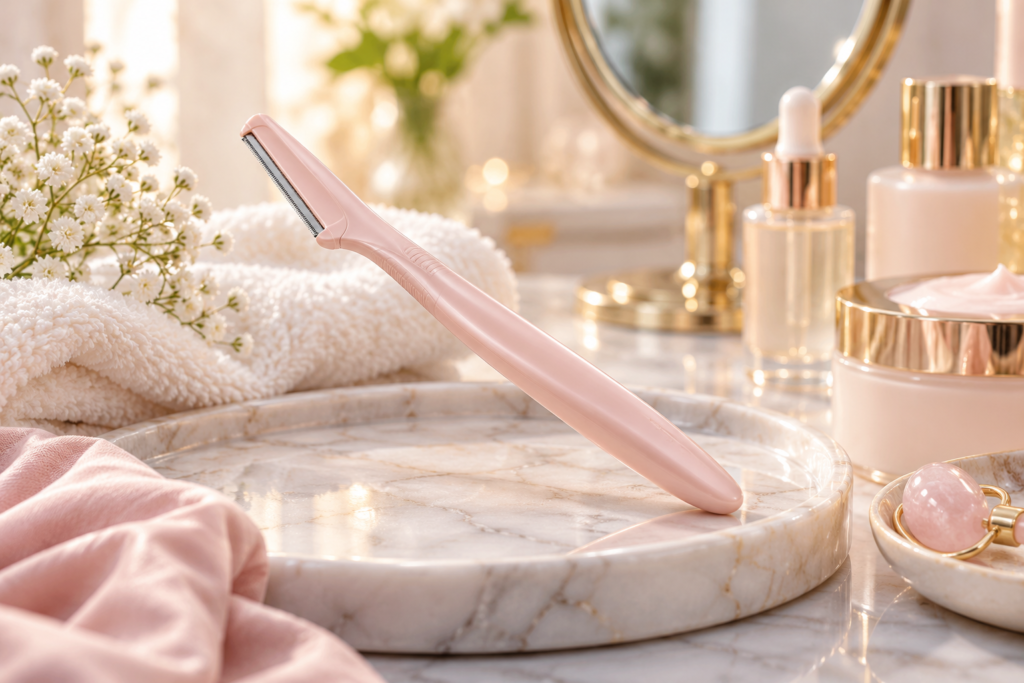
Finding the best razor for dermaplaning is important for people who want to remove fine facial hair, commonly known as peach fuzz, and gently exfoliate the skin. Dermaplaning is a skincare technique that uses a specialized blade to remove surface hair and some dead skin cells, leaving the skin feeling smoother and helping makeup apply more evenly.
For skincare enthusiasts across the USA, at-home dermaplaning has become a familiar part of many beauty routines. However, choosing a suitable facial razor requires attention to blade quality, handle design, skin sensitivity, hygiene, and proper usage.
Not every facial razor offers the same features. Some tools are designed for occasional hair removal, while others feature replaceable blades, protective guards, or ergonomic handles for more controlled movement.
WebThreds focuses on helping readers understand skincare products, compare practical features, and make informed decisions about beauty tools.
A suitable dermaplaning razor should be easy to control, designed specifically for facial use, and appropriate for the user’s skin condition. Proper technique and skin preparation are equally important because sharp blades can cause irritation, cuts, or other unwanted reactions.
What Is the Best Razor for Dermaplaning?
Different Types of Facial Razors and Dermaplaning Tools
A common question is, “What type of razor is best for dermaplaning?” Several types of facial hair removal tools are available, but they differ in blade construction, handling, and intended use.
Facial dermaplaning razors: These small razors are designed for removing fine facial hair. Many include narrow blades and protective guards that may help users maintain better control during use.
Eyebrow-style facial razors: Compact eyebrow razors are sometimes used for facial hair removal. However, users should select products specifically labelled as suitable for their intended facial areas.
Reusable dermaplaning tools: Some designs feature durable handles and replaceable blades. These can reduce the need to discard an entire tool, although blade replacement and careful cleaning remain necessary.
Disposable facial razors: Single-use or limited-use facial razors can offer a convenient option for occasional grooming. Users should follow the manufacturer’s instructions regarding disposal and replacement.
Professional dermaplaning instruments: Licensed skincare professionals may use specialized surgical-style blades. These sharper instruments require appropriate training and should not be treated as ordinary at-home facial razors.
When comparing products, customers should consider blade protection, grip comfort, handling, hygiene requirements, and manufacturer instructions.
WebThreds encourages readers to prioritize safe, purpose-designed facial tools rather than choosing solely according to price or appearance.
Benefits of Using the Best Razor for Dermaplaning
Can Dermaplaning Improve Skin Texture and Makeup Application?
One of the main reasons people search for the best razor for dermaplaning is to achieve a smoother facial appearance.
Dermaplaning can remove fine surface hair and some accumulated dead skin cells. This may temporarily improve the way skin feels and create a smoother surface for makeup application.
Smoother skin texture: Removing peach fuzz and surface buildup can make the skin feel softer immediately after treatment.
More even makeup application: Foundation and other cosmetic products may apply more smoothly when fine facial hair is reduced.
Temporary exfoliation: Dermaplaning provides physical exfoliation, although the amount of dead skin removal depends on the tool and technique.
Simple grooming routine: Suitable facial razors can provide an accessible method for removing unwanted peach fuzz without waxing.
However, dermaplaning does not permanently remove hair, treat the underlying causes of acne, or guarantee improved skin health. It also does not make facial hair grow back thicker or darker; hair may simply feel different as it regrows with a blunt edge.
People with active acne, eczema, rosacea flare-ups, irritated skin, infections, or damaged skin barriers should avoid at-home dermaplaning over affected areas and seek professional advice when necessary.
WebThreds focuses on realistic skincare information that helps readers understand both potential benefits and limitations.
How to Use a Dermaplaning Razor Safely at Home
Skin Preparation, Blade Hygiene, and Aftercare Tips
Choosing the best razor for dermaplaning is only one part of achieving a satisfactory result. Safe usage and appropriate aftercare are equally important.
Before beginning, users should review the manufacturer’s instructions and ensure the tool is clean and undamaged. Facial skin should be cleansed gently, with makeup, sunscreen, and visible residue removed.
When using a purpose-designed home facial razor, avoid applying excessive pressure, making repeated passes over the same area, or using the blade over active breakouts, moles, cuts, or irritated skin.
The razor should never be shared with another person. Disposable blades should be discarded according to their instructions, while reusable components should be maintained appropriately.
After dermaplaning, a gentle moisturizer may help support skin comfort. Avoid combining the treatment immediately with harsh exfoliating acids, strong scrubs, or other irritating skincare products.
Daily broad-spectrum sunscreen with SPF 30 or higher is important, particularly when exfoliating as part of a skincare routine.
For consumers across the USA, blade quality, safe handling, skin suitability, and maintenance should be considered before purchasing a tool.
WebThreds focuses on practical product comparisons and responsible skincare guidance to help readers select beauty products suitable for their personal routines.
Conclusion
Choosing the best razor for dermaplaning involves comparing blade quality, protective features, comfort, hygiene, and compatibility with individual skin needs.
Facial dermaplaning razors may help remove peach fuzz and provide gentle surface exfoliation, but incorrect use can cause irritation, cuts, and skin damage.
WebThreds provides practical skincare and beauty product information for readers across the USA, helping consumers understand facial razors, product features, potential benefits, and safe grooming practices.
FAQs
1. What is the best razor for dermaplaning at home?
A purpose-designed facial dermaplaning razor with a comfortable handle, suitable blade guard, and clear manufacturer instructions is generally a more appropriate choice for home use than professional surgical blades.
2. Is dermaplaning safe for sensitive skin?
Dermaplaning can cause irritation, especially on sensitive or compromised skin. People with active acne, eczema, rosacea flare-ups, or other skin conditions should seek professional guidance before attempting treatment.
3. Does dermaplaning make facial hair grow back thicker?
No. Dermaplaning does not change hair follicle structure, growth rate, or natural thickness. Regrowing hair may feel slightly different because of its blunt tip.
4. How does WebThreds help readers choose dermaplaning razors?
WebThreds focuses on explaining facial razor designs, blade features, skin compatibility, hygiene, maintenance, and safe skincare considerations to help customers across the USA make informed product decisions.