
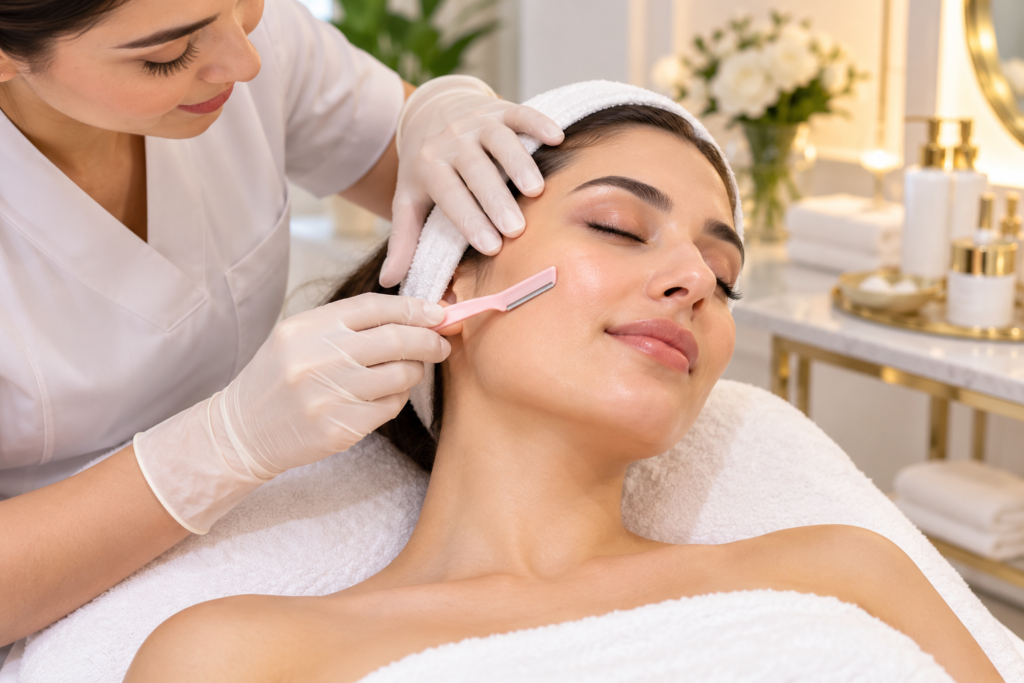
Face shaving for women has become a popular skincare and grooming method for removing fine facial hair, commonly known as peach fuzz, and achieving smoother-looking skin. Many women choose facial shaving because it is convenient, relatively affordable, and can be performed at home using appropriate facial razors.
For women across the USA, facial hair removal is often part of a personal beauty routine. Fine hair commonly appears around the cheeks, upper lip, chin, and jawline. Although facial hair is completely natural, some individuals prefer removing it to create a smoother surface for makeup or maintain their preferred appearance.
Facial shaving involves gently cutting hair at the skin’s surface without removing the hair follicle. Unlike waxing or threading, shaving does not pull hair from the root. Some facial shaving tools can also remove a small amount of dead skin, although ordinary shaving and professional dermaplaning are not identical procedures.
WebThreds focuses on helping readers understand facial grooming products, skincare techniques, and practical methods for maintaining healthy-looking skin.
Choosing a suitable facial razor and following proper skincare practices can help reduce the risk of irritation, cuts, and unwanted skin reactions.
What Are the Benefits of Face Shaving for Women?
Peach Fuzz Removal, Smooth Skin, and Makeup Application
A common question is, “Is face shaving for women good for the skin?” Facial shaving can provide several cosmetic benefits when performed carefully and on suitable skin.
Peach fuzz removal: Facial shaving removes fine hair from areas such as the cheeks, chin, upper lip, and jawline. This creates a smoother appearance without changing the natural growth pattern of the hair.
Smoother makeup application: Removing fine facial hair may help foundation, concealer, and powder apply more evenly across the skin.
Gentle surface exfoliation: Shaving may remove some loose, dead skin cells along with facial hair. However, excessive exfoliation can irritate the skin and should be avoided.
Convenient grooming: Facial shaving can be performed at home without scheduling appointments, provided suitable equipment and techniques are used.
Affordable maintenance: Reusable or disposable facial razors may offer a lower-cost grooming option than some salon treatments.
However, shaving does not permanently reduce hair growth, eliminate acne scars, or treat underlying skin conditions. Results are temporary because facial hair naturally grows back.
WebThreds encourages realistic expectations and emphasizes skin comfort over unnecessary or aggressive hair removal.
How to Shave Your Face Safely at Home
Best Facial Razors and Proper Shaving Techniques
Understanding the correct method of face shaving for women is important for reducing irritation and preventing accidental cuts.
Before shaving, wash your face with a gentle cleanser to remove makeup, sunscreen, dirt, and excess oil. Select a clean facial razor specifically designed for personal grooming, and check the manufacturer’s instructions regarding dry or lubricated use.
If the tool requires lubrication, use a suitable fragrance-free shaving product. Avoid applying excessive pressure or repeatedly passing the razor over the same area.
Use short, controlled strokes in the direction of hair growth, keeping the movements gentle. Avoid shaving directly over active acne, raised moles, cuts, eczema patches, irritated skin, or other affected areas.
Choosing the right facial razor: Small facial razors with comfortable handles and protective blade guards may provide better control for home grooming. Professional surgical dermaplaning blades should not be treated as ordinary home shaving tools.
Maintaining hygiene: Never share facial razors. Clean reusable components and replace blades according to product instructions.
Avoiding skin irritation: If redness, burning, or discomfort develops, stop shaving and allow the skin to recover.
Women with active inflammatory acne, rosacea flare-ups, sensitive skin conditions, or frequent irritation may benefit from consulting a dermatologist before beginning facial shaving.
WebThreds focuses on practical product information that helps USA consumers understand facial razor selection, handling, and skincare safety.
Face Shaving for Women: Aftercare and Common Mistakes
Does Facial Hair Grow Back Thicker After Shaving?
One of the biggest concerns about face shaving for women is whether shaving causes facial hair to grow back thicker, darker, or faster.
Shaving does not change the structure of hair follicles or increase natural hair growth. However, regrowing hair may temporarily feel slightly coarse because the blade leaves a blunt tip.
Proper aftercare is important because freshly shaved skin may become more sensitive to friction and irritating products.
After shaving, apply a gentle moisturizer to help maintain skin hydration and support the skin barrier. Avoid harsh facial scrubs, strong exfoliating acids, and other potentially irritating treatments until the skin has recovered.
Using broad-spectrum sunscreen with SPF 30 or higher is also important for protecting skin from ultraviolet exposure.
Common shaving mistakes include using dull blades, applying excessive pressure, shaving irritated areas, sharing razors, and repeating the process too frequently.
The ideal shaving frequency depends on personal preference, hair regrowth, and skin tolerance. There is no universal schedule suitable for every person.
Women who notice sudden or unusually increased coarse facial hair growth, particularly alongside other symptoms, may benefit from medical evaluation to identify possible underlying causes.
WebThreds encourages readers to prioritize gentle skincare, suitable grooming products, and individual comfort rather than following rigid beauty routines.
Conclusion
Face shaving for women can provide a convenient way to remove peach fuzz, create smoother-looking skin, and improve makeup application.
Choosing an appropriate facial razor, using gentle techniques, maintaining hygiene, and following suitable aftercare practices can help reduce irritation and support healthier-looking skin.
WebThreds provides practical beauty and skincare information for readers across the USA, helping women understand facial shaving benefits, possible risks, product choices, and safe grooming methods.
FAQs
1. Is face shaving safe for women?
Facial shaving is generally suitable for many women when performed carefully with an appropriate razor. However, people with active acne, eczema, irritated skin, or certain skin conditions should avoid shaving affected areas.
2. Does shaving your face make hair grow back thicker?
No. Shaving does not change hair thickness, colour, or growth rate. Regrowing hair may feel different because the hair has a blunt tip.
3. How often should women shave their faces?
Shaving frequency depends on hair growth, skin sensitivity, and personal preferences. It is important to allow the skin to recover and avoid excessive shaving.
4. How does WebThreds help women choose facial shaving products?
WebThreds focuses on explaining facial razor types, skincare compatibility, shaving techniques, hygiene, and aftercare recommendations to help women across the USA make informed grooming decisions.