
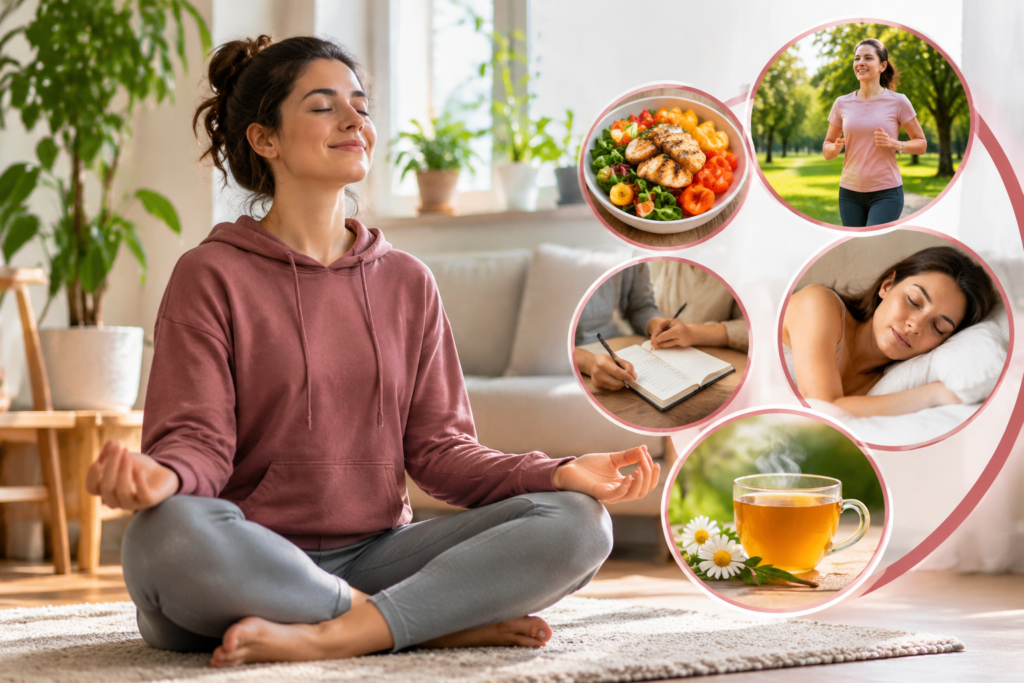
Stress is a natural response to challenging situations, unexpected changes, and everyday responsibilities. However, when stress becomes frequent or difficult to manage, it can affect emotional well-being, sleep quality, concentration, and overall health. Learning How to Reduce Stress can help individuals develop healthier coping habits and manage daily challenges more effectively. Many people in the USA experience stress because of demanding work schedules, financial responsibilities, academic pressure, family commitments, and personal expectations. Although some stressful situations cannot be avoided, adopting practical stress management techniques can make everyday life more manageable. WebThreds provides useful lifestyle information to help readers understand common stress triggers and explore simple approaches to maintaining emotional balance.
Practice Deep Breathing and Relaxation Techniques
Relaxation techniques are useful tools for managing everyday stress and creating moments of calm. Deep breathing is one of the simplest practices because it can be performed almost anywhere without special equipment. Sit comfortably, breathe in slowly through your nose, and gently breathe out while relaxing your shoulders. Repeating this process for a few minutes may help reduce physical tension and encourage relaxation. Meditation, mindfulness, gentle stretching, and guided relaxation exercises are other options worth exploring. Some people prefer practicing meditation in the morning, while others find it helpful after a busy workday. These activities can become part of a regular wellness routine and help individuals respond more calmly to stressful situations.
Improve Your Daily Routine Through Healthy Lifestyle Habits
Daily lifestyle choices can influence how the body responds to stress. Maintaining a regular sleep schedule, eating balanced meals, drinking enough water, and staying physically active are important habits to develop. Adults generally need seven to nine hours of sleep each night to support normal physical and mental functioning. Physical activities such as walking, swimming, cycling, and yoga can also support emotional well-being. Even a short walk during a lunch break may provide an opportunity to step away from daily responsibilities. People with busy schedules in cities such as New York, Los Angeles, Chicago, and Houston can benefit from creating realistic wellness routines that fit their working hours. WebThreds encourages readers to make gradual lifestyle improvements rather than expecting immediate changes.
How to Reduce Stress at Work and During Busy Schedules
Work-related stress can develop when responsibilities become overwhelming, deadlines increase, or personal time becomes limited. One practical way to manage these challenges is to organize tasks according to their importance and divide larger projects into smaller steps. Creating a realistic daily schedule can make responsibilities easier to handle. Taking short breaks between tasks, reducing unnecessary distractions, and communicating clearly with colleagues can also improve daily work routines. It is equally important to establish boundaries between professional and personal life. For example, avoiding unnecessary work notifications after office hours can create more time for relaxation and family activities. Learning to manage time effectively can help individuals feel more organized and reduce some common sources of everyday pressure.
Build Strong Relationships and Make Time for Self-Care
Social support can play an important role in managing stressful experiences. Talking with trusted friends, family members, or supportive colleagues may help individuals express their feelings and gain a different perspective. Spending quality time with loved ones, participating in community activities, or enjoying personal hobbies can also provide emotional comfort. Self-care is another valuable practice that involves making time for activities that support personal well-being. Reading, listening to music, cooking, gardening, and spending time outdoors are simple ways to take a break from daily pressures. It is important to remember that self-care does not need to involve expensive products or complicated activities. Even a few minutes of personal time can help create a healthier balance between responsibilities and relaxation.
When Should You Seek Professional Help for Stress?
Although everyday stress can sometimes be managed through healthy lifestyle changes, persistent or overwhelming stress may require professional support. If stress regularly affects sleep, relationships, concentration, or the ability to complete daily activities, speaking with a qualified mental health professional can be helpful. Therapists and counselors can teach practical coping strategies and help individuals understand the underlying causes of their stress. In the USA, people can explore support through licensed mental health professionals, healthcare providers, community services, and telehealth appointments. Seeking assistance is a positive step toward improving emotional well-being. WebThreds encourages readers to recognize their personal needs and understand that professional guidance is available when self-care strategies are not enough.
Conclusion
Learning how to manage stress involves developing healthy routines, practicing relaxation, maintaining supportive relationships, and setting realistic personal boundaries. Small and consistent lifestyle changes can make everyday challenges easier to manage. WebThreds provides practical information about How to Reduce Stress and encourages readers to prioritize emotional well-being as part of a balanced lifestyle.
Frequently Asked Questions (FAQs)
1. What are the easiest ways to reduce stress naturally?
Deep breathing, meditation, regular walking, sufficient sleep, balanced meals, and spending time with supportive people are simple ways to manage everyday stress.
2. How can I reduce stress quickly during a busy day?
Take a short break, practice slow breathing, stretch your body, drink some water, and focus on one manageable task at a time.
3. Can exercise help reduce stress?
Yes. Regular physical activity, including walking, cycling, swimming, and yoga, can support mood, relaxation, and overall mental well-being.
4. When should I seek professional help for stress?
Consider professional support when stress becomes persistent, overwhelming, or starts affecting your sleep, relationships, work, or daily activities. A qualified mental health professional can help you explore suitable coping strategies.